
Upcycled Fashion 2026: 10 Easy DIY Projects

upcycled fashion design project

This post contains affiliate links. If you purchase through these links, I may earn a small commission at no additional cost to you. I only recommend products I personally use or genuinely believe will add value to your life. Thank you for supporting CraftedIdea! 💚

Key takeaways (save this for your next wardrobe refresh)

  • Pick one base + one technique (patch, paint, or stitches) so the result looks intentional.
  • Prep matters more than talent: wash, press, and do a 5-minute fit check before you cut.
  • Clean edges read “finished”: topstitch, reinforce corners, and trim fray on purpose.
  • Start small if you’re nervous: a collar embroidery or a bold painted shape is a quick win.
  • Durability is design: reinforce stress points, heat-set paint, and avoid bulky seam piles.
  • Save scraps by color: your future projects get easier (and more cohesive) fast.

Table of contents

Quick Picks

If you want the easiest path, choose 1 base + 1 tool + 1 technique. This keeps your first upcycled fashion win simple and wearable.

  • Cerqular Vintage Jackets Search — best for finding a structured secondhand jacket to patch, paint, or stitch.
    Shop Cerqular
  • Premium Stretch Denim Jacket (DIY Base) — best for patchwork panels, collar embroidery, and painted motifs.
    See on Amazon
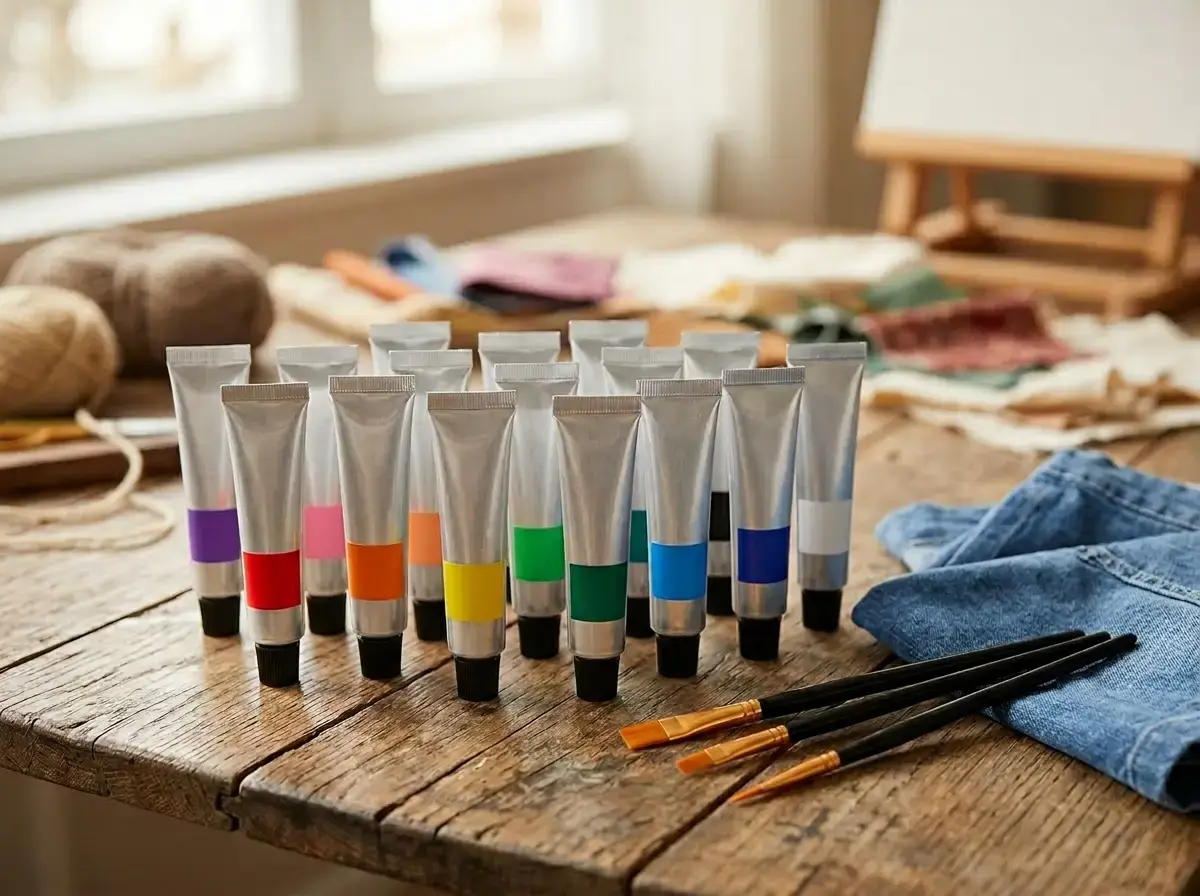
  • Jacquard Professional Fabric Paint Set — best for clean, modern graphics (no stencil required).
    See on Amazon

Want the other two “easy mode” picks? Jump to the sewing machine for time-saving seams, or the canvas tote for a low-stress first project.

Quick intro (what you’ll make + who it’s for)

If you’re craving a wardrobe refresh without starting from scratch, these upcycled fashion projects are built for real life: limited time, beginner skills, and pieces you’ll actually wear. You’ll make patchwork denim accents, embroidered upgrades, visible mends, crisp fabric-paint motifs, and a couple of simple refashions that look intentional (not “random”).

You’ll also learn how to upcycle clothes with repeatable steps: placement, prep, and a “less is more” approach that keeps things modern. Think of this as your 2026 menu of DIY fashion projects—pick one today, then come back for the next when you want a quick confidence boost.

What counts as “upcycled fashion” (and why it’s worth it)

Upcycled fashion is any upgrade that extends a garment’s life or makes it more useful: repairs that become design details, a vintage clothing makeover that updates buttons and trims, or turning worn jeans into something you’ll reach for weekly. The point isn’t perfection. It’s making what you already have feel like “you,” while keeping materials in use longer.

The 10-second project picker (no-sew / quick-sew / weekend)

  • No-sew (10–25 min): fabric-paint motif, quick vintage refresh checklist, some visible mending with supportive backing.
  • Quick-sew (30–75 min): embroidered collar/cuffs, cropped hem makeover, adding practical pockets.
  • Weekend (2–4 hrs): patchwork panel, jeans-to-skirt refashion, distressed patch + embroidery combo.

Do this today: Pull 3 items you love but don’t wear. Write the reason (too plain, no pockets, stained, ripped). That reason tells you which DIY clothing ideas will feel most satisfying first.

Before you start (makes every project look cleaner)

Best fabrics for beginners (denim, canvas, cotton)

Denim, canvas, and midweight cotton are beginner favorites because they stay put while you work. They also hide tiny mistakes, which makes beginner upcycling feel less intimidating. Stretch knits can work later, but start here if you want your first upcycled fashion project to look crisp.

5-minute fit check (pin, chalk, try-on)

  1. Put the item on and pinch where you want it shorter or closer.
  2. Pin along the new line, then take it off carefully.
  3. Mark the line with chalk next to the pins (pins shift; chalk stays).
  4. Try it on again before you cut or stitch.

This is the easiest “pro move” for thrift flip ideas that don’t look accidental.

Wash + prep (so paint/threads actually last)

  • Wash to remove residue that can block paint and weaken stitches.
  • Dry fully and press the work area so placement stays accurate.
  • Lint roll denim before painting (fuzz can get trapped in wet paint).

Safety notes (scissors, needles, machine basics)

  • Cut away from your body and keep fingers clear on curves.
  • Use a denim needle for thick seams; dull needles snap.
  • Go slowly over bulky intersections and hand-turn the wheel if needed.

Mistake to avoid: starting on your “favorite” piece. Try the technique on a scrap or an older base first—then upgrade the piece you truly love.

Tools & materials you’ll reuse across projects

“Nice to have” vs “start with what you own”

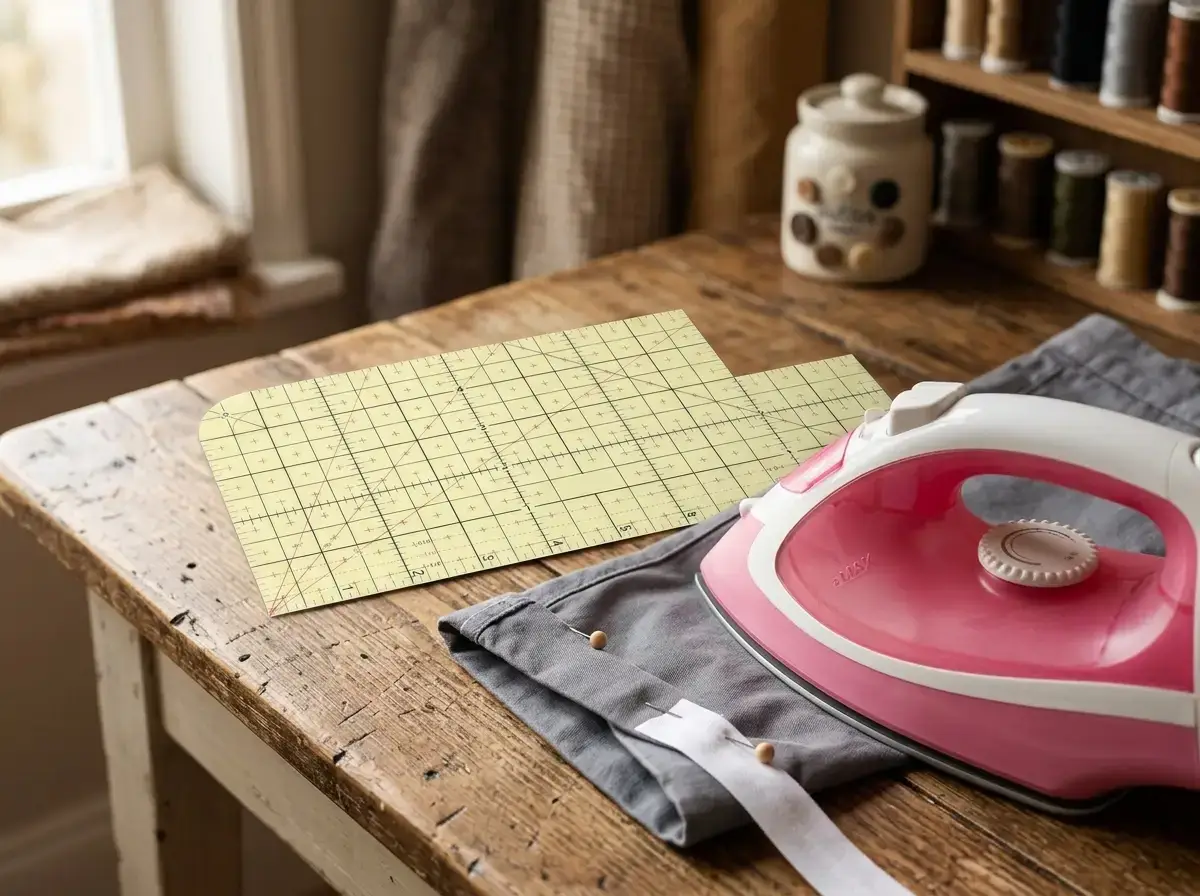
You can do a lot of upcycled fashion with basics: sharp scissors, pins, chalk, needle, and thread. A machine simply makes strong seams faster, especially for refashions and pockets. For DIY fashion projects, the best tool is the one that removes friction for you (time, confidence, or clean results).

Sustainable swaps (scraps, old tees, leftover trims)

  • Old tees make soft backing patches behind rips.
  • Button-downs become pocket fabric or patchwork pieces.
  • Save labels, sturdy seams, and zippers from worn-out items.
  • Sort scraps by color family so your clothing refashion looks cohesive.

Starter tools & bases (optional, but genuinely helpful)

Below are the tools and bases referenced throughout the projects. You do not need everything. If your goal is sustainable fashion DIY on a budget, start with one base and one technique, then build slowly.

Brother Sewing Machine (Essential DIY Tool)

Why we love it: It makes hems, pockets, and patchwork seams faster and stronger than quick hand-sewing on thick fabric. If you’re learning how to upcycle clothes and want results that hold up, a reliable basic machine helps.

Best for: Projects #1, #7, and #8.

Key features:

  • Helps create stronger seams for refashions
  • Supports neat topstitching on denim
  • Saves time on repeated stitching tasks
  • Great for building confidence with DIY fashion projects

Pro tip: Practice on scrap denim first and switch to a denim needle for thick seams.

Heads up: Expect a short learning curve—slow stitching looks more professional than rushing.View on Amazon

Quick non-affiliate tip (to prevent clumping): When you’re customizing denim, set your stitch length a little longer than you would for thin cotton, and test tension on scraps. This single habit makes DIY clothing ideas look smoother and reduces puckering.

Cerqular Vintage Jackets Search (Upcycling Bases)

Why we love it: A structured secondhand jacket is an ideal base for upcycled fashion—denim and cotton pieces handle patches, paint, and embroidery beautifully. It’s also a practical way to source thrift flip ideas when you want a “blank canvas” outer layer.

Best for: Finding bases for Projects #1, #2, #4, and #10.

Key features:

  • Searchable selection of secondhand outerwear
  • Helpful filtering by fabric and condition
  • Great starting point for patchwork denim and embroidery on denim
  • Supports long-term sustainable fashion DIY habits

Pro tip: Filter by fabric first, then condition—skip weak seam damage in high-stress zones.

Heads up: Availability changes quickly; save a couple of options instead of chasing one listing.Shop Cerqular

Pro tip (non-affiliate): Before you add any patch, paint, or stitching, take one photo of the garment on your body (or laid flat) from straight-on. It’s the fastest way to spot placement that’s “almost right” before you commit.

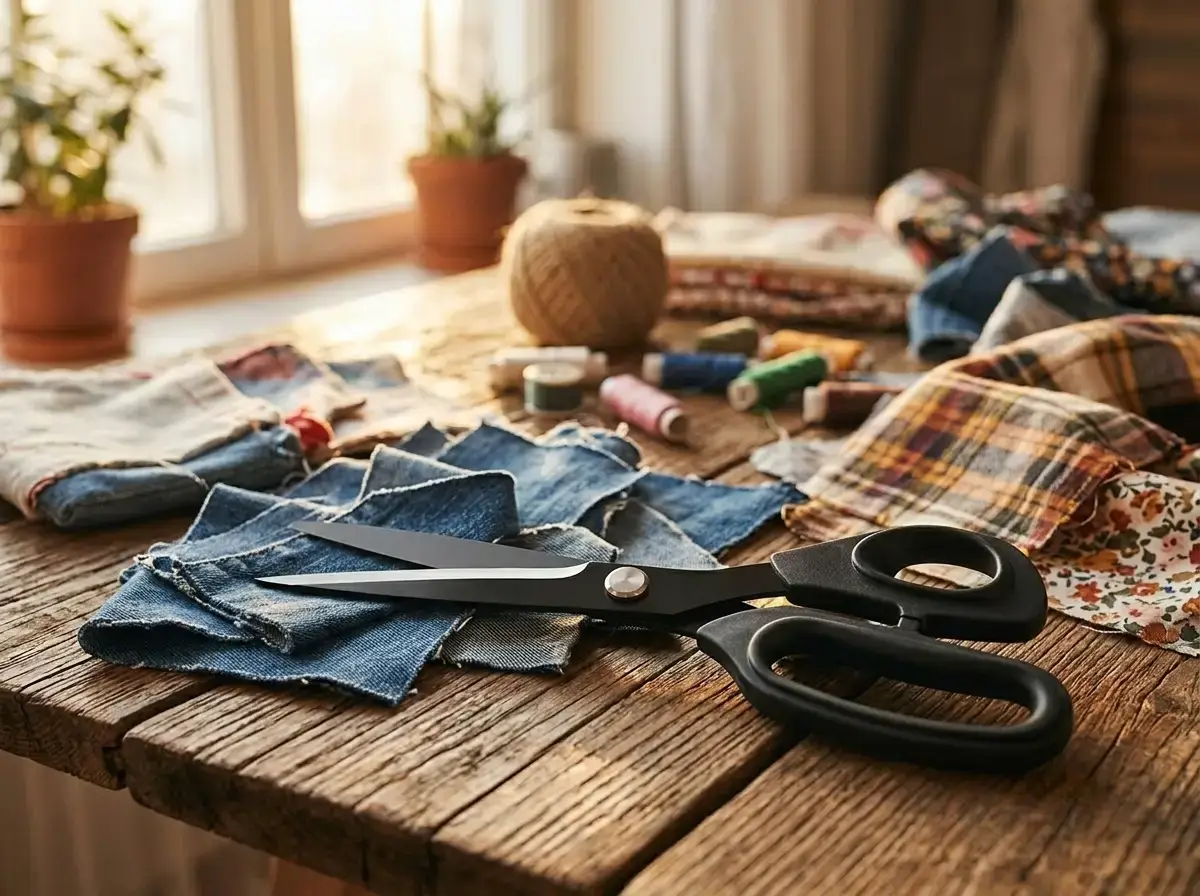
Gingher Professional Fabric Scissors

Why we love it: Clean cuts are the shortcut to polished-looking DIY clothing ideas. Sharp scissors reduce fraying, keep lines straight, and make refashions feel more controlled.

Best for: Projects #1, #6, #7, and #8.

Key features:

  • Helps create crisp edges for hems and patches
  • Better control on curves and corners
  • Improves accuracy on thicker fabrics
  • Supports cleaner-looking upcycled fashion finishes

Pro tip: Keep them fabric-only (paper dulls blades fast).

Heads up: Heavy denim layers need slow, deliberate cuts—don’t force it.See on Amazon

Quick comparison table (tools + bases at a glance)

If you’re unsure what to choose, match your goal to your friction point: want speed and strength (machine), want cleaner edges (scissors), want a low-stress first win (tote), want an instant statement (denim jacket), want wearable repairs (jeans + mending kit), or want a one-hour refresh (vintage jacket base). This table helps you pick quickly, then jump to the project where it fits best.

ProductBest forSkill levelTime-saverPlatform
Premium Stretch Denim Jacket (DIY Base)Patchwork, embroidery, paintBeginnerMediumAmazon
High-Waisted Distressed Boyfriend Jeans (DIY Base)Visible mending, patches, hems, skirt refashionBeginner–IntermediateLowAmazon
Premium Organic Canvas Tote (3-Pack)Paint + embroidery signature bagBeginnerHighAmazon
Brother Sewing MachineRefashions, pockets, strong seamsBeginnerHighAmazon
Gingher Fabric ScissorsClean cuts for hems, patches, pocketsBeginnerMediumAmazon
Jacquard Fabric Paint SetModern motifs on denim/canvasBeginnerHighAmazon
Premium Embroidery Kit (Complete Starter Set)Neat embroidery upgradesBeginnerMediumAmazon
Craftwiz Embroidery Starter KitVisible mending + simple motifsBeginnerMediumAmazon
Cerqular Vintage Jackets SearchSecondhand jacket basesBeginnerMediumAWIN
Cerqular Secondhand Listing (Sample Jacket Base)1-hour vintage refreshBeginnerHighAWIN

10 easy projects (step-by-step)

1) Patchwork denim jacket panel (statement back or elbows)

Materials: denim jacket, scraps (denim/canvas/cotton), pins/chalk, thread
Time: 60–120 min
Difficulty: Beginner-to-intermediate

This is one of the most wearable DIY fashion projects because it looks bold on purpose. Keep it simple: one statement back panel or two matching elbow panels. Patchwork denim reads “designed” when you limit the number of pieces and repeat one detail (like the same topstitch thread).

  1. Layout: Arrange scraps into a rectangle (back) or two ovals (elbows). Aim for 3–7 pieces.
  2. Pin + trim: Pin the layout, then trim edges so seams align cleanly.
  3. Stitch: Sew pieces together into one panel, then attach the panel to the jacket.
  4. Topstitch: Add visible topstitching for strength and a pro finish.

Style tip: Choose one “hero” fabric and 2–3 supporting shades so it doesn’t look chaotic.

Sustainability note: Use scraps from worn jeans or leftover canvas to keep waste near zero.

Premium Stretch Denim Jacket (DIY Base)

Why we love it: A sturdy jacket is the easiest “canvas” for patchwork, paint, and embroidery. It’s a practical base when you want upcycled fashion results that feel cohesive.

Best for: Projects #1, #2, and #4.

Key features:

  • Denim holds stitches well for patchwork and repairs
  • Structured shape supports statement placements
  • Works with fabric paint designs and embroidery on denim
  • Easy base for beginner upcycling

Pro tip: Decide on oversized vs fitted before customizing—fit changes after embellishment are harder.

Heads up: Denim thickness varies; test stitch length on an inside seam first.See on Amazon

Crosslink cue: If your denim has holes or weak spots, do Project #3 first so the patchwork sits on a stable base.

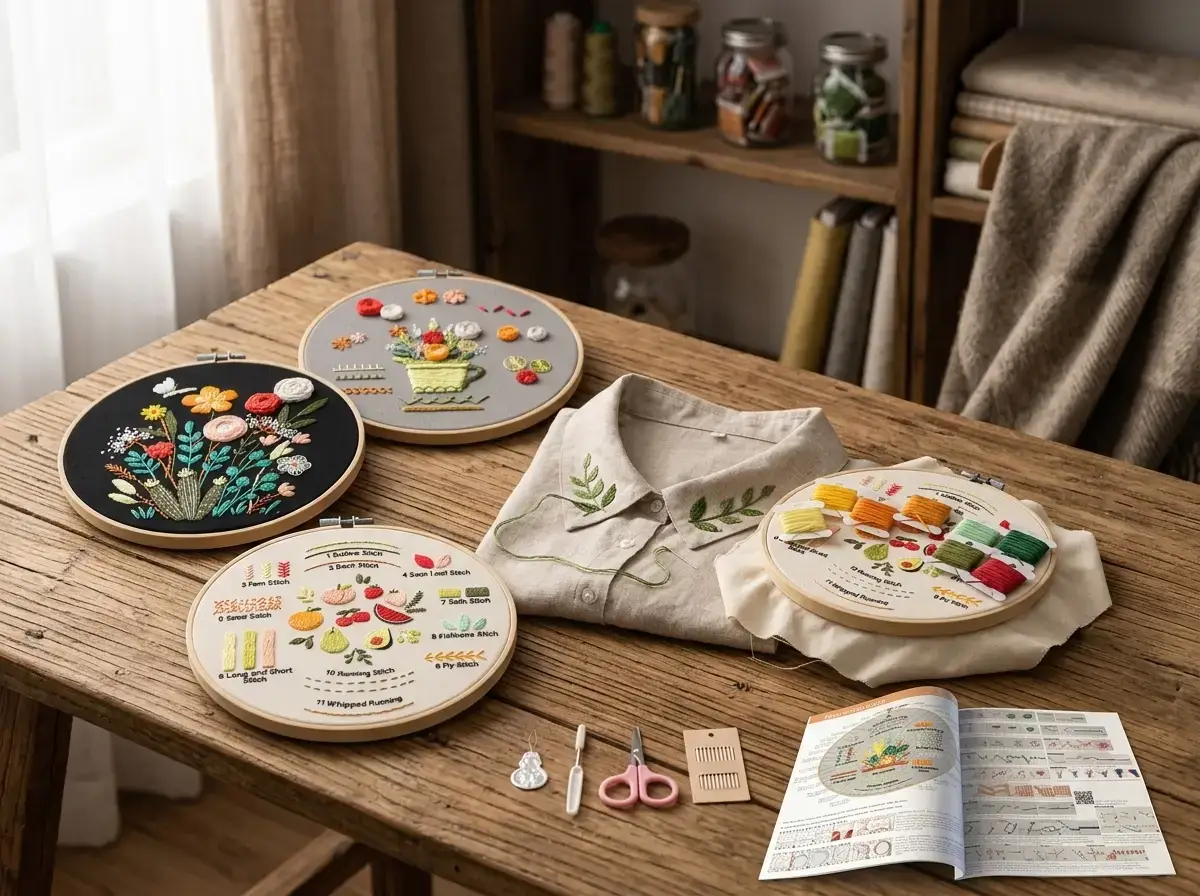
2) Embroidered collar/cuffs (tiny upgrade, big payoff)

Materials: embroidery floss, needle, chalk, hoop (optional)
Time: 30–90 min
Difficulty: Beginner

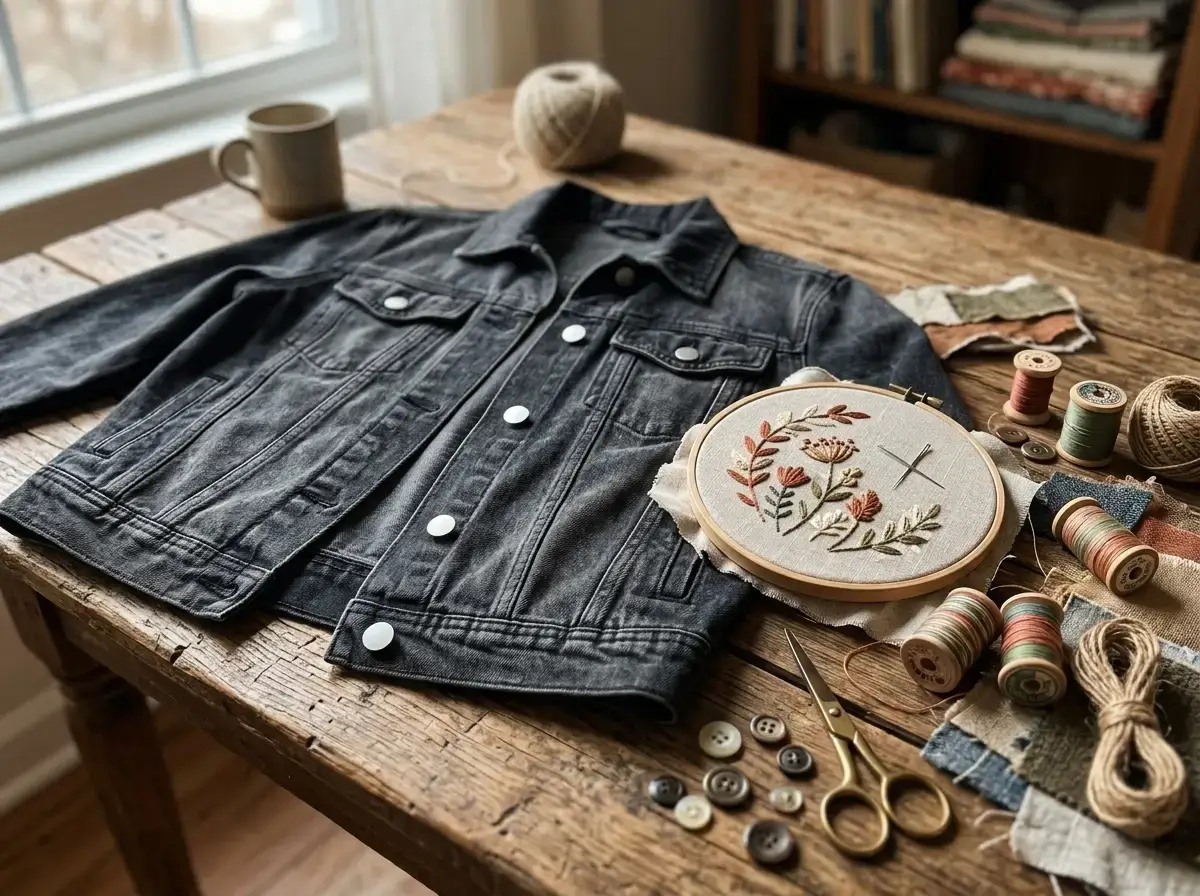
For subtle upcycled fashion that looks elevated, embroider the collar points, cuff edge, or pocket corner. Keep the motif small, repeat it, and leave negative space so it feels modern.

Beginner stitch shortlist: backstitch (outlines), satin stitch (tiny fills), lazy daisy (petals), French knots (texture).

Keep it neat on denim:

  • Mark the design in chalk first (don’t freehand mid-stitch).
  • Use shorter thread lengths to prevent tangles.
  • Anchor starts/ends inside seams so the inside looks cleaner.

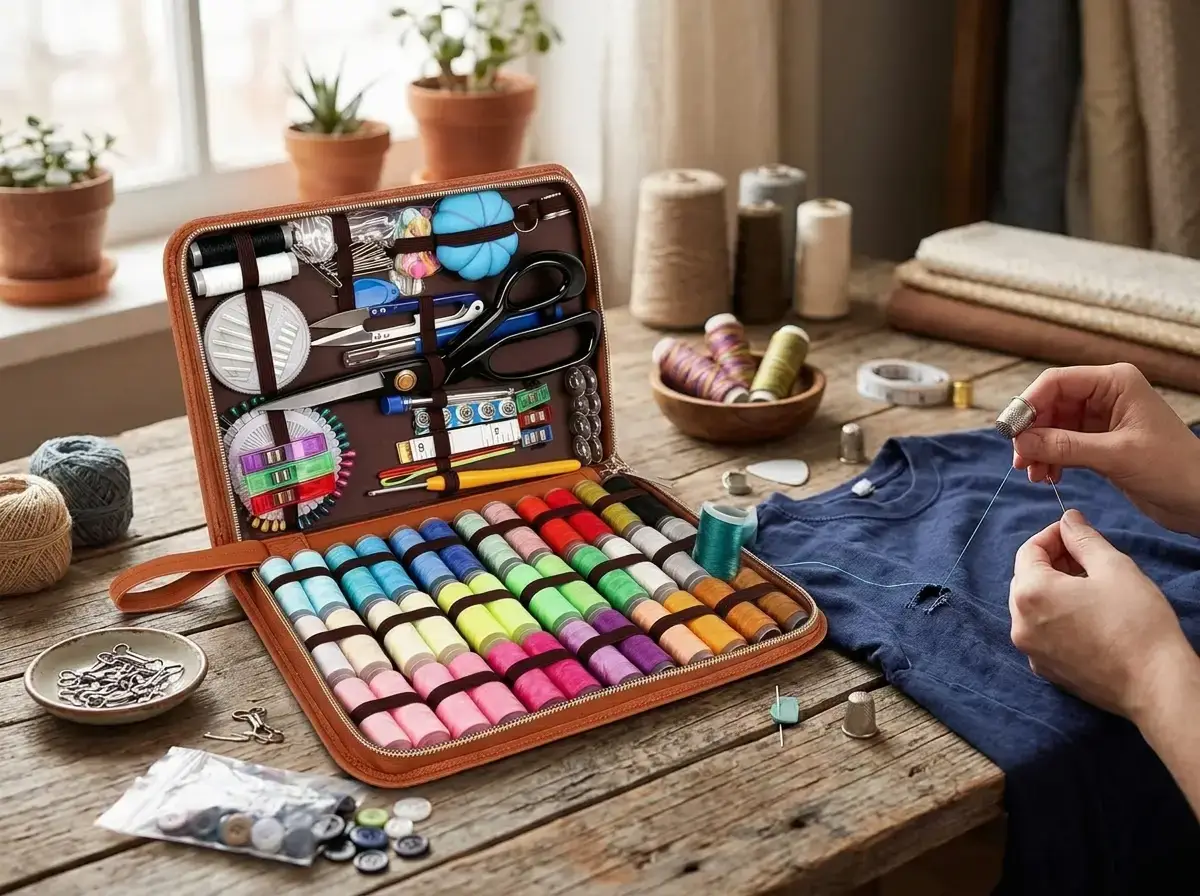
Premium Embroidery Kit (Complete Starter Set)

Why we love it: A wide color range plus organization makes stitching feel calmer and more consistent. Great for DIY clothing ideas where tidy lines matter.

Best for: Projects #2 and #9.

Key features:

  • Broad floss selection for subtle or bold accents
  • Organized storage for quick setup
  • Ideal for outlines, borders, and small fills
  • Works well for embroidery on denim

Pro tip: Limit yourself to 2–4 colors per piece for a cleaner, modern look.

Heads up: Dense fills take longer than expected—start with outlines for faster wins.See on Amazon

Mini “mistake to avoid”: placing embroidery where your hand constantly rubs (like the inner wrist). Put details on edges and corners to keep them looking fresh longer.

3) Visible-mend knees (make a “flaw” the feature)

Materials: fabric scraps, needle/thread (or floss), pins
Time: 30–60 min
Difficulty: Beginner

This is one of the most practical ways to learn how to upcycle clothes: you fix wear and add style at the same time. Visible mending looks best when the patch is slightly larger than you think it needs to be, with stitches that extend into strong fabric.

Patch-from-scraps method:

  1. Cut a patch 2–3 cm larger than the worn area on all sides.
  2. Pin it behind the hole (inside the jeans) so it supports the fabric.
  3. Stitch around the edges, then add reinforcement rows across the weak area.

Reinforcement tips that last:

  • Stitch beyond the worn area into stable fabric.
  • Use multiple short rows instead of one long line.
  • Reinforce the top corners—this is where patches often lift first.

Craftwiz Embroidery Starter Kit

Why we love it: It’s beginner-friendly and helps you learn stitches that double as decoration and reinforcement. Perfect for visible mending and simple motifs.

Best for: Projects #2, #3, and #5.

Key features:

  • Beginner stitch guidance (less guessing)
  • Useful for visible mending patterns
  • Works well with denim repairs
  • Good entry point for sustainable fashion DIY

Pro tip: Match thread for subtle repairs, or go high-contrast to make the mend the design.

Heads up: Great as a first kit; you may want more floss variety later.See on Amazon

Internal link placeholder: Add your future post here: Patch placement guide for denim repairs.

4) Fabric-paint motif on denim (clean, modern graphic)

Materials: fabric paint, brush/sponge, painter’s tape, chalk
Time: 20–45 min (+ curing)
Difficulty: Beginner

For fast thrift flip ideas, go bold: clean stripes, half-moons, a checker block, or one large abstract shape. The secret is thin layers and sharp edges—this is where fabric paint designs can look editorial instead of messy.

Stencil-free method:

  1. Chalk the shape lightly where you want it.
  2. Use painter’s tape to create crisp edges.
  3. Apply thin paint layers, letting each set briefly.
  4. Peel tape while the final layer is slightly tacky for cleaner lines.

Care: Let it cure fully, then wash inside out on gentle cycles early on.

Jacquard Professional Fabric Paint Set

Why we love it: Reliable paint helps your motifs stay crisp and flexible. It’s a great tool for DIY fashion projects on denim and canvas.

Best for: Projects #4 and #9.

Key features:

  • Designed to move with fabric
  • Great for bold shapes and modern motifs
  • Works on denim, canvas, and cotton
  • Supports clean sustainable fashion DIY finishes

Pro tip: Thin layers beat thick layers—thick paint cracks first.

Heads up: Durability depends on proper curing; don’t skip the heat-set step.See on Amazon

Internal link placeholder: Add your future post here: Fabric paint care guide for DIY clothing.

5) Distressed jeans → custom patch + embroidery combo

Materials: distressed jeans, scrap fabric, floss/thread, needle
Time: 60–120 min
Difficulty: Beginner-to-intermediate

This project makes “random rips” look planned. You combine a support patch with a small stitched detail so the repair becomes part of the design—one of the most satisfying DIY clothing ideas when you want quick impact.

Where to distress safely (and where not to):

  • Safer: thighs (light distress), outer knees, near side seams.
  • Avoid heavy distress: inner thigh seams, crotch seams, waistband stress points.

Patch placement that looks intentional:

  1. Place one “main” patch under the largest rip.
  2. Echo with a smaller patch nearby using the same fabric family.
  3. Add a simple outline stitch to visually connect them.

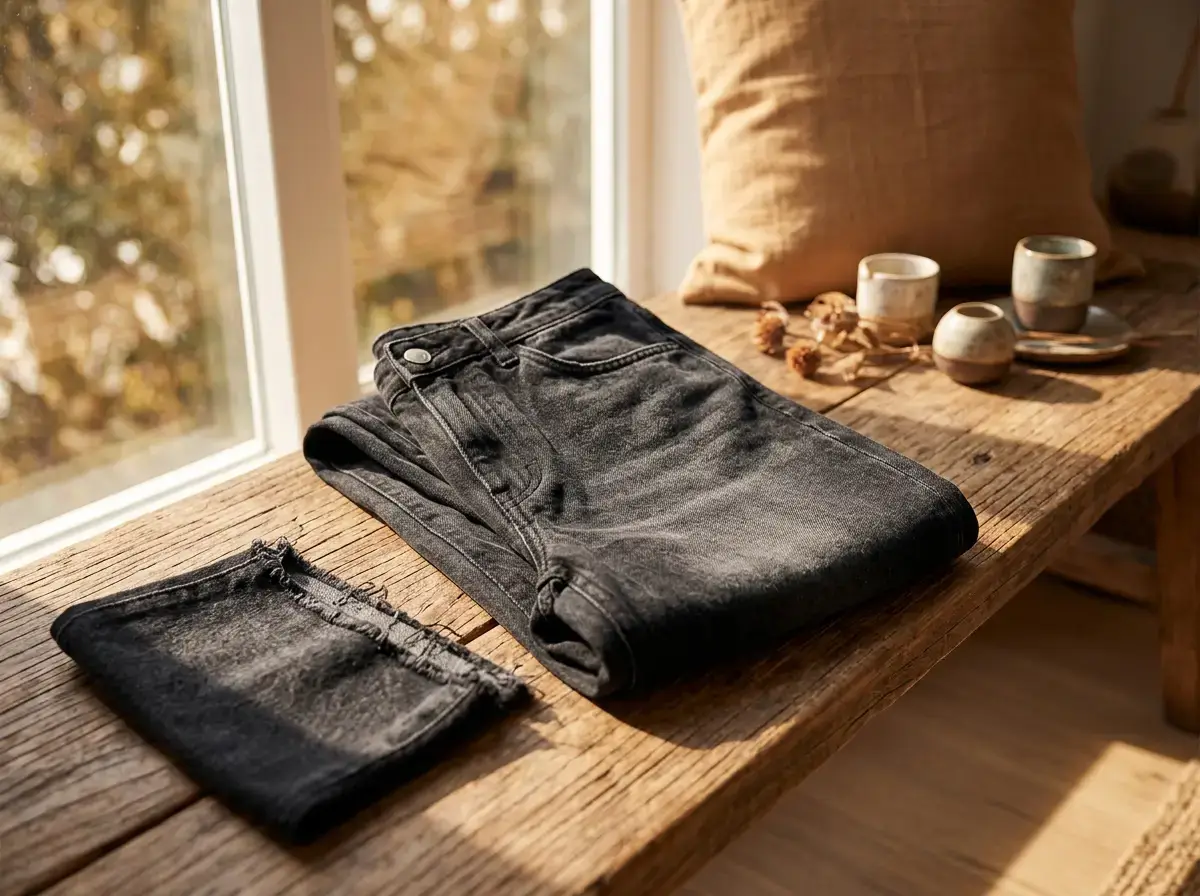
High-Waisted Distressed Boyfriend Jeans (DIY Base)

Why we love it: A pre-distressed base gives you a built-in “project zone,” making it easier to jump into visible mending and patches. Great for how to upcycle clothes practice without overthinking where to start.

Best for: Projects #3, #5, #6, and #7.

Key features:

  • Built-in distress zones for patch + stitch work
  • Great canvas for embroidery on denim accents
  • Works for subtle or statement visible mending
  • Versatile base for multiple DIY fashion projects

Pro tip: Plan patches before adding new cuts so everything stays balanced.

Heads up: Distress placement varies—check where rips sit on your body before committing.See on Amazon

Pro tip (non-affiliate): If you’re adding embroidery, keep it to the patch edge or a small corner motif. Dense stitching over high-friction areas can pill faster.

6) Cropped hem makeover (jeans or jacket) with pro-looking edges

Materials: scissors, chalk, pins, thread (optional)
Time: 20–60 min
Difficulty: Beginner

Cropping is one of the fastest thrift flip ideas for a modern silhouette. The difference between “oops” and “wow” is edge finishing. Do a quick fit check, mark carefully, then choose one finish that matches the vibe you want.

Step-by-step:

  1. Put the item on and mark the new length with chalk.
  2. Take it off and measure from a seam to keep the line even.
  3. Cut once in a long, smooth cut (avoid lots of little snips).
  4. Finish the edge using one of the options below.

2 common edge finishes + when to use each:

  • Clean raw hem: best for casual denim. Lightly pull a few threads to soften the edge, then trim stray fray after the first wash. Add one line of stitching 1–2 cm above the cut edge to stop runaway fraying.
  • Folded stitched hem: best for a tailored look. Fold once (or twice for heavier denim), press, then stitch slowly. This finish is great when you want DIY clothing ideas that look “store-bought.”

Rescue plan if you cut too short: add a contrast band (denim/canvas), topstitch it, and treat it like a design detail. This also works if you want to add a pop of patchwork denim at the hem.

7) Turn jeans into a skirt (beginner-friendly refashion)

Materials: jeans, scissors, pins, thread, sewing machine (helpful)
Time: 90–180 min
Difficulty: Intermediate (but doable)

This is the most “new outfit” feeling transformation in the guide. If you want upcycled fashion that genuinely changes your wardrobe, this one delivers. The keys are (1) a smooth front panel, (2) a slit that feels natural when you walk, and (3) managing bulky seams so the skirt lays flat.

Fast construction path:

  1. Open the inner leg seams up toward the zipper area (stop before bulky zipper seam intersections).
  2. Overlap the front panels to create a smooth skirt front; pin and try on.
  3. Use leftover denim to fill gaps (usually in the back or lower front).
  4. Stitch, press seams flat, then topstitch for strength and a clean look.

3 fit checkpoints (do these before final stitching):

  • Hips: sit down while pinned. If it pulls, widen overlap or add a small wedge insert.
  • Slit placement: walk across the room. If it feels restrictive, raise the slit slightly or shift it off-center.
  • Hem line: check it from the side in a mirror (or take a photo). Denim can “tilt” once seams change.

Bulk seam tip: trim inner seam allowances so you’re not stacking multiple denim layers in one spot (this is called “grading”). Then press and topstitch—topstitching helps keep bulky areas flat.

8) Add pockets where you actually need them

Materials: scrap fabric, pins, thread, sewing machine (helpful)
Time: 45–90 min
Difficulty: Beginner-to-intermediate

This is the most practical sustainable fashion DIY upgrade in the list: pockets that fit your everyday items. It also makes a garment feel “new” without changing the silhouette—perfect if you like the fit but not the function.

2 pocket shapes (choose one):

  • Rounded patch pocket: easiest and most classic. Great for denim jackets and totes.
  • Angled utility pocket: a more modern look with easier hand access; great on jeans or skirts.

Placement guide (so it’s actually usable):

  1. Put the garment on and hold your phone where you want it to sit.
  2. Mark the top of the pocket opening with chalk.
  3. Place pockets slightly forward on the hip so items don’t swing behind you.

Reinforcement stitches that prevent ripping:

  • Stitch a small triangle or bar tack at the top corners of the pocket opening.
  • Double-stitch the pocket opening fold (it takes the most stress).
  • If the fabric is thin, add a small backing square behind the corner area.

Non-affiliate pro tip: If you’re unsure, pin pockets on, wear the garment for 10 minutes, and test sitting and walking. Tiny placement changes make a huge difference.

9) Upcycled tote makeover (paint + embroidery “signature bag”)

Materials: canvas tote, fabric paint, embroidery floss/thread, chalk
Time: 45–120 min (+ curing)
Difficulty: Beginner

This is a low-stress way to practice how to upcycle clothes principles without worrying about fit. Keep it simple: one bold paint motif plus one small stitched accent. Negative space is your friend.

Layout plan (so it doesn’t look busy):

  1. Mark a “safe zone” and leave a clean margin around edges.
  2. Choose one main painted shape (large and simple).
  3. Add one small embroidery detail that repeats once (like two tiny dots or a short border).

Premium Organic Canvas Tote (3-Pack)

Why we love it: A sturdy blank tote is the easiest on-ramp to paint and embroidery practice. It’s also a useful finished piece—great for sustainable fashion DIY habits that stick.

Best for: Project #9 (and small gift-style projects).

Key features:

  • Durable canvas for paint and stitching
  • Great surface for bold motifs
  • Multipack makes experimenting easier
  • Perfect for beginner-friendly DIY fashion projects practice

Pro tip: Pre-wash if you want to minimize shrink/warp after decorating.

Heads up: Canvas texture can swallow fine detail—size designs slightly larger than you think.See on Amazon

10) Vintage clothing makeover checklist (1-hour refresh)

Materials: spare buttons, trims, needle/thread, small patches
Time: 30–60 min
Difficulty: Beginner

This is the fastest “upgrade what you already own” approach—ideal when you want DIY fashion projects that don’t require big construction changes. Pick one theme (buttons, trims, or patches) so the piece keeps its original character.

1-hour refresh checklist:

  • Swap buttons (choose one statement button, keep the rest simple).
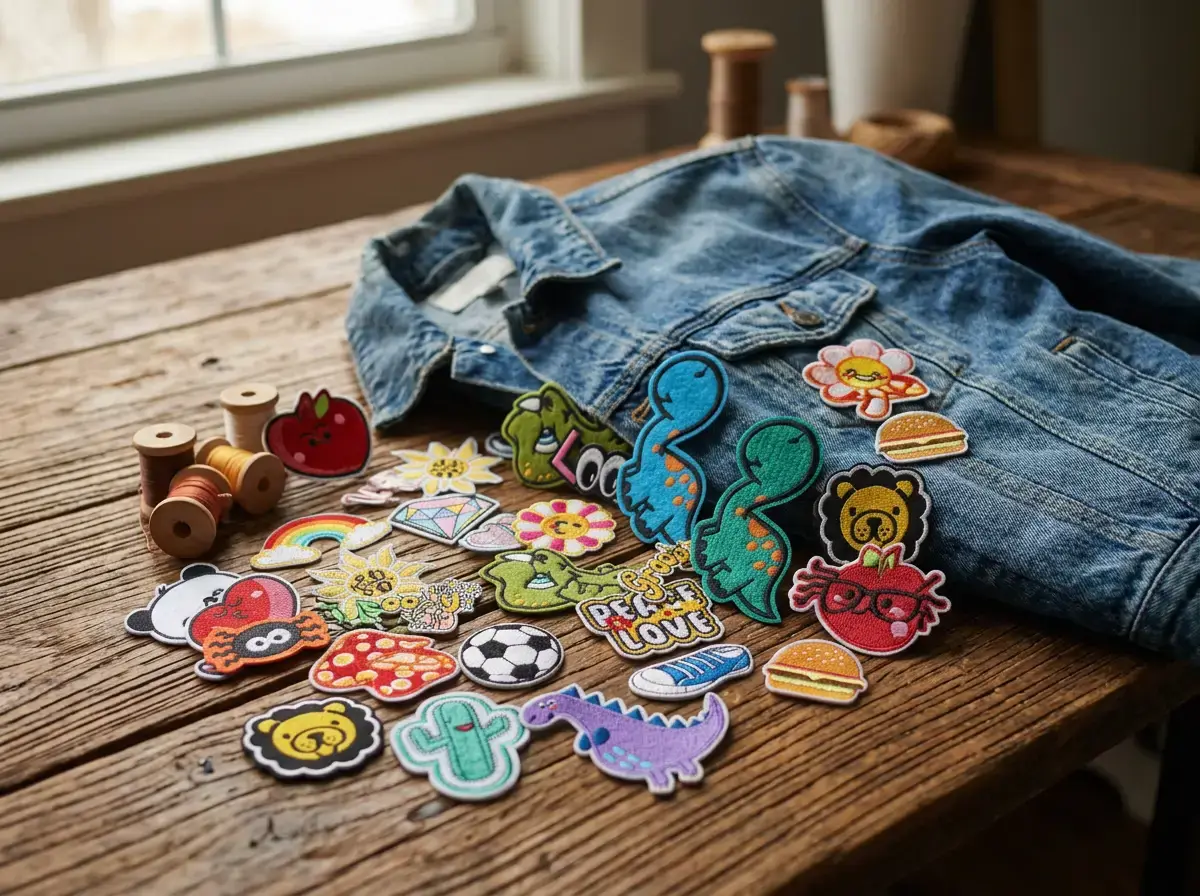
  • Add one small patch accent (collar underside, pocket corner, or elbow).
  • Repair one annoying issue (loose hem, snag, missing stitch).
  • Press well. Pressing is the quickest “polish” step.

Cerqular Secondhand Listing (Sample Jacket Base)

Why we love it: Structured outerwear makes small changes feel high impact. It’s an excellent example base for a vintage clothing makeover with tidy, intentional upgrades.

Best for: Project #10 refresh checklist.

Key features:

  • Structured silhouette supports polished results
  • Great canvas for small accents and repairs
  • Works well with subtle visible mending details
  • Pairs nicely with modern upcycled fashion styling

Pro tip: If the exact item sells out, use the Cerqular search link above to find a similar fabric and structure.

Heads up: Secondhand sizing varies—double-check measurements before you customize.Shop Cerqular

If you only buy one thing (choose your friction-fixer)

If you’re doing upcycled fashion on a budget, don’t buy “everything.” Buy the one thing that removes the biggest friction for you. Use this quick decision tree, then jump to the matching product card above.

  • If cutting feels scary or messy: start with fabric scissors so your hems and patches look cleaner.
  • If projects take too long to finish: consider a basic sewing machine for faster seams and stronger construction.
  • If you want upgrades without altering fit: try a canvas tote base and practice paint + stitches first.
  • If you love details and want “quiet wow”: go with an embroidery kit for collar/cuff upgrades.
  • If your main issue is wear and rips: start with visible mending using scrap patches and simple stitches.

Heads up: The “best” choice is the one that gets you to a finished project. Finished beats perfect every time.

Optional climate swaps (keep it global-neutral)

Cool-weather layering swap (reinforced elbows, lining patches, collar warmth)

  • Add elbow patches (Project #1) using slightly thicker fabric for abrasion resistance.
  • Stitch a soft lining patch behind scratchy seams for comfort.
  • Embroider along the collar edge (Project #2) for a small detail that shows when layered.

Warm-weather breathable swap (lighter patches, smaller motifs, ventilation edits)

  • Use lighter cotton patches and keep layers minimal.
  • Choose small embroidered motifs instead of dense fill.
  • Focus on totes and small upgrades if you don’t want extra layers on clothing.

Common mistakes (and how to avoid them)

Why projects look “crafty” (and how to make them look finished)

  • Too many ideas at once: pick one technique and commit (patches OR paint OR embroidery).
  • No negative space: leave blank areas so the design can breathe.
  • Placement drift: measure from seams and mirror placements side-to-side.
  • Skipping pressing: press before and after stitching—this is the easiest “polish.”

Stitch tension, fraying, paint cracking, bulky seams

  • Stitch tension: test on scraps and adjust before you stitch on the garment.
  • Fraying: reinforce with a stitch line above the cut edge or stitch around patch edges.
  • Paint cracking: thin layers + proper curing beats heavy paint every time.
  • Bulky seams: grade layers, press flat, then topstitch to hold shape.

Remember: the most “modern” upcycled fashion looks intentional, not overloaded. One strong detail with clean placement is usually the winner.

FAQs

How do I upcycle clothes without a sewing machine?

You can do plenty without a machine: fabric paint motifs, small embroidery accents, and visible mending with strong hand stitches. Focus on upgrades that don’t rely on long structural seams, and you’ll still get big results.

What’s the easiest fabric for beginner upcycling?

Denim, canvas, and midweight cotton are easiest because they don’t slip while you work and they hide small inconsistencies well.

How do I stop denim patches from fraying?

Cut cleanly, stitch around patch edges, and reinforce corners. If you like a little fray, keep it controlled by trimming loose threads after the first wash.

Does fabric paint wash off?

Most fabric paints are made to be washable when applied and cured correctly. Thin layers and proper heat-setting make a noticeable difference in durability.

How do I choose thrift items that are worth upcycling?

Look for strong seams, healthy fabric in stress zones, and a shape you already like. Small stains, missing buttons, or minor holes are fine—those are ideal for visible mending or patch accents.

Can I combine patchwork denim and embroidery?

Yes. Keep patchwork to one main area, then add embroidery in one or two small zones (like cuffs or a pocket corner) so it stays clean rather than busy.

How do I make upcycled fashion look modern, not messy?

Use bold shapes, intentional placement, and negative space. Limit your palette, repeat one detail, and press everything. Those habits make DIY clothing ideas feel cohesive.

Conclusion

If you’re new to this, start with one small win this week: a painted motif, a tidy visible mend, or a collar detail. Then save this post and come back when you’re ready for the next project. Consistency—not perfection—is how upcycled fashion becomes part of your everyday style.

Share our posts

Picture of Bessie Simpson
Bessie Simpson

Lorem ipsum dolor sit amet, consectetur adipisicing elit, sed do eiusmod tempor incididunt ut labore et dolore magna aliqua.

All Posts

Related Posts

Clicky