

👉 Read our full affiliate disclosure →
Key Takeaways
- Dry skin is usually a damaged barrier problem, not a lack of products.
- Winter dryness comes from cold air, indoor heating, and water loss.
- Applying skincare on damp skin dramatically improves hydration.
- Occlusives at night prevent moisture from escaping while you sleep.
- Simplifying your routine often fixes dryness faster than adding steps.
Table of Contents
- Why Winter Makes Dry Skin Worse
- 7 Fixes for Dry Skin
- What NOT to Do
- FAQs
- Conclusion
Dry, flaky skin can feel impossible to manage — especially when products that used to work suddenly don’t. Tightness after cleansing, makeup clinging to dry patches, and that constant uncomfortable feeling are all signs your skin needs a different approach.
The truth is, a dry skin care routine in 2026 doesn’t need to be complicated or expensive. What it does need is a smarter focus on hydration, barrier repair, and gentle layering. When you understand why dryness happens and how to work with your skin instead of fighting it, results come faster than you’d expect.
This guide walks you through exactly what causes dry skin in winter and the seven fixes that consistently help restore comfort, softness, and resilience.
Why Winter Makes Dry Skin Worse
Winter is tough on your skin for one simple reason: moisture loss. Cold outdoor air holds very little humidity, which pulls water from your skin. Then, once you step inside, indoor heating dries the air even further.
This double hit increases transepidermal water loss — the process where moisture evaporates from your skin faster than it can be replaced. The first thing to suffer is your skin barrier, the protective layer that keeps irritants out and hydration in.
Once that barrier weakens, dryness snowballs. Products sting. Redness appears. Flaking becomes harder to control. That’s why an effective skin care routine for dry skin in winter must focus on protection first and actives second.
7 Fixes for Dry Skin
1. Switch to a Gentle Cleanser
If your skin feels tight or squeaky after cleansing, that’s a red flag. Many cleansers — especially foaming or gel formulas — remove too much of your skin’s natural oil, which dry skin desperately needs.
For dry skin care, look for creamy, low-lather cleansers or even cleansing balms. In winter, cleansing once per day (at night) is usually enough. In the morning, a splash of lukewarm water can do the job.
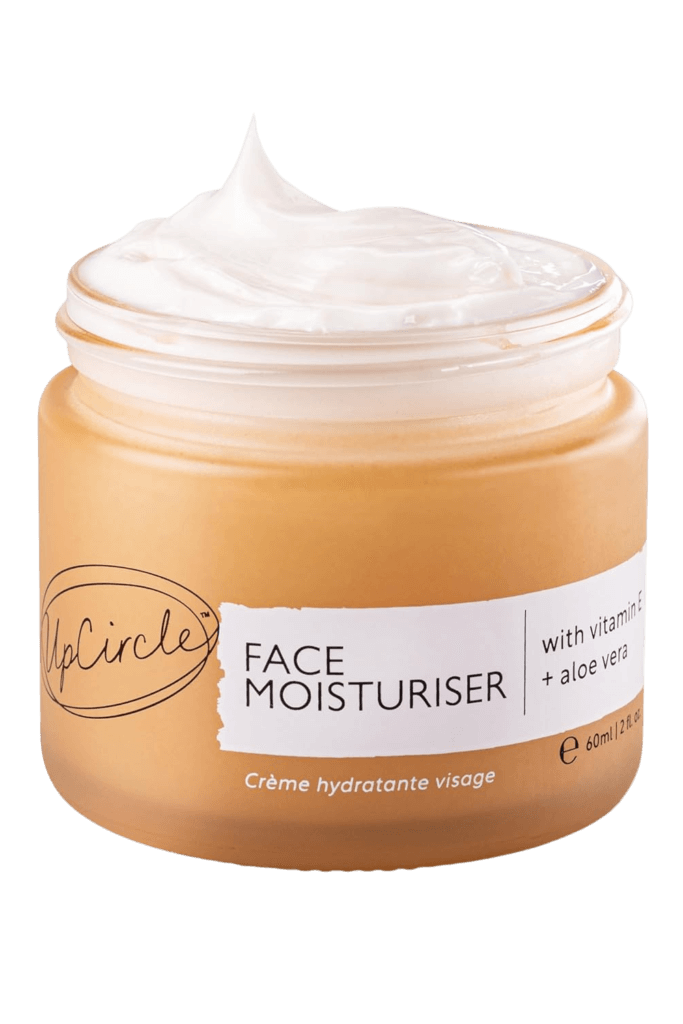
UpCircle Face Moisturiser
Why We Love It: This moisturizer is often paired with ultra-gentle cleansing routines because it instantly restores comfort after washing.
Best For: Dry, sensitive, or easily irritated skin.
- Shea butter and aloe vera
- Fragrance-free
- Vegan and sustainably packaged
Pro Tip: Apply immediately after cleansing while skin is still slightly damp.See on Amazon
2. Hydrate on Damp Skin
This single habit can transform a skincare for dry skin routine. Hydrating products work best when there’s water on the skin to bind to. Applying them to completely dry skin limits their effectiveness.
After cleansing, gently pat your face so it’s damp — not dripping — then apply your hydrating products immediately. This simple change helps pull moisture deeper into the skin.
Luna Nectar Skin Concentrate Trio
Why We Love It: These botanical oil concentrates are designed to be pressed into damp skin, sealing hydration without feeling heavy.
Best For: Persistent dryness and dull, stressed skin.
- Plant-based oils
- Refillable glass packaging
- Excellent for layering
Pro Tip: Warm a few drops between your palms before pressing into skin.Shop Cerqular

3. Use Barrier-Repair Moisturizers
A dry skin care routine falls apart without a proper moisturizer. Lightweight lotions often aren’t enough in winter. Instead, look for richer creams that replace the lipids your skin loses.
The goal isn’t greasy skin — it’s long-lasting comfort. If your moisturizer absorbs instantly and leaves your skin feeling dry again within minutes, it’s time to upgrade.
4. Add an Occlusive at Night
Occlusives don’t hydrate the skin — they prevent moisture from escaping. This step is especially helpful if you wake up with tight or flaky skin, even after moisturizing.
Terra Lotus Tallow Balm
Why We Love It: A deeply nourishing occlusive that locks in moisture better than many modern creams.
Best For: Extremely dry or cracked skin.
- Grass-fed tallow
- Minimal ingredients
- Long-lasting protection
Pro Tip: Use a pea-sized amount as the final step at night.See on Amazon

5. Never Skip SPF
Many people drop sunscreen in winter, but UV damage continues year-round. Sun exposure worsens dryness by damaging the skin barrier further.
Look for moisturizing sunscreens designed for skin care for dry skin. Bonus points if they double as your daytime moisturizer.
6. Avoid Over-Exfoliating
Flaky skin tempts people to exfoliate more, but that usually backfires. Exfoliating too often strips the barrier and increases irritation.
Once a week is enough — and during flare-ups, it’s best to skip exfoliation entirely and focus on healing.
7. Simplify Your Routine
One of the biggest dry skin care mistakes is using too many products at once. A simple skincare routine for dry skin reduces irritation and helps your barrier recover.
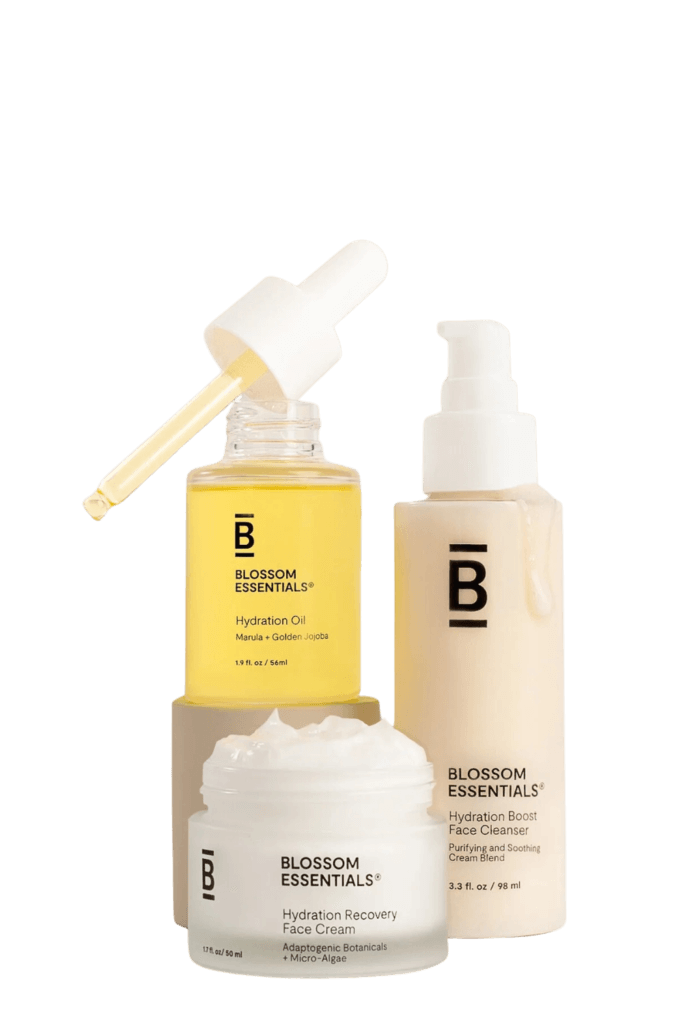
Blossom Essentials Sensitive Skin Kit
Why We Love It: A minimal, fragrance-free routine that supports barrier repair without unnecessary extras.
Best For: Sensitive or reactive dry skin.
- Gentle formulas
- Refillable packaging
- Barrier-focused approach
Pro Tip: Stick with one routine for at least two weeks before switching.Shop Cerqular
What NOT to Do
- Wash your face with hot water
- Use alcohol-heavy toners
- Layer multiple actives at once
- Ignore burning or stinging sensations
- Change products too frequently
FAQs
How long does a dry skin care routine take to work?
Most people see improvement within 7–14 days.
Can oily skin follow a routine for dry skin?
Yes — dehydrated oily skin often benefits from barrier-focused care.
Is a simple skincare routine for dry skin enough?
Yes. Consistency matters more than complexity.
Should I exfoliate dry skin?
Only gently and sparingly.
What’s the biggest mistake people make?
Trying to scrub dryness away instead of repairing the barrier.
Conclusion
A dry skin care routine works best when it supports your skin instead of overwhelming it. By focusing on hydration, protection, and simplicity, dry skin becomes far easier to manage — even in winter.
Start with one change tonight and build slowly. Healthy, comfortable skin is a process, not a race.


