
Affiliate Disclosure: “. If you purchase through these links, I may earn a small commission at no additional cost to you. I only recommend products I personally use or genuinely believe will add value to your life. Thank you for supporting CraftedIdea! 💚”
Winter has a way of exposing every weak spot in your usual skin care routine. One week your skin feels fine, and the next it’s tight, flaky, stinging, or weirdly doing two things at once (dry cheeks but breakouts on the chin). If that sounds familiar, it’s not that you “suddenly have bad skin” — your environment changed, and your routine needs to change with it.
A solid winter skin care routine for 2026 isn’t about adding ten new products. It’s about using a smarter skincare order, prioritizing barrier support, and keeping your morning and night steps simple enough to follow every day. This guide breaks down exactly what’s happening to your skin in winter, the skincare routine order that works best in cold weather, and the easiest way to build a routine for dry, sensitive skin without feeling overwhelmed.
And once your routine is stable, choosing the right skin care products becomes way easier — because you’ll know what your skin actually needs (and what it doesn’t).
Why Your Skin Changes in Winter
Cold air + indoor heat (what’s actually happening)
Winter air holds less moisture than warm air, which means humidity drops outdoors — and often indoors too. Then we add heaters, hot showers, and long hours in dry indoor spaces. The result is constant moisture loss from the skin, even if you’re drinking water and using “hydrating” products.
Your skin naturally loses water throughout the day. In winter, that water loss speeds up. This is why people who never had dryness in summer can suddenly need a dry skin care routine in December — and why “normal” skin can start feeling reactive.
Why your barrier feels tight, flaky, or stingy
That tight feeling isn’t just dryness — it’s often your barrier being compromised. Your barrier is made of lipids (including ceramides), natural moisturizing factors, and healthy skin cells working together to keep moisture in and irritants out.
In winter, that protective layer gets stressed. When the barrier weakens, hydration escapes faster, and products that never bothered you before can sting. This is also why “more actives” can backfire: if your barrier is already stressed, strong acids or frequent retinoids can feel like rubbing salt in a wound.
The “less but smarter” winter mindset
Here’s the winter mindset that actually works: less but smarter. Instead of adding more steps, you choose better steps. You focus on the basics — gentle cleansing, hydration, barrier-first moisturizing, and daily sunscreen — then adjust from there.
This approach is especially helpful if you want a beginner skin care routine that works in winter, or if you’re building a sensitive skin care routine that won’t trigger redness and irritation.
The Skincare Order That Works in Winter
What “skincare order” means (plain English)
“Skincare order” simply means the order you apply products. In general: start with the thinnest products and end with the thickest. Water-based layers go first so they can absorb, then creams and balms go last to seal everything in.
A basic winter skincare routine order looks like this:
- Cleanse
- Hydrate (toner/serum)
- Moisturize (barrier support)
- Protect (SPF in the morning)
- Optional seal (occlusive at night for very dry skin)
When to apply actives vs hydration
In winter, hydration comes first. If you use actives (like salicylic acid or retinoids), the goal is to keep them gentle and spaced out — and never let them replace hydration.
If you’re prone to clogged pores or breakouts, a targeted cleanser can be a “winter-friendly” way to keep skin clear without overdoing exfoliation. One option is: Shop on Cerqular
How to tell you’re overdoing it
Winter “overdoing it” usually looks like:
- Stinging when applying products (even gentle ones)
- Redness that wasn’t there before
- Flakiness that gets worse after exfoliation
- Breakouts that feel sore or inflamed
- Skin that feels tight within minutes of cleansing
If you notice these signs, simplify your skin care steps for a week: cleanse gently, hydrate, moisturize, SPF. Let your barrier recover before reintroducing actives.
Morning Skin Care Routine (Winter Version)
Step 1 — Gentle cleanse (or rinse-only option)
Your morning cleanse should be gentle. If you wake up feeling dry, try a rinse-only option (lukewarm water) and save cleanser for nighttime. If you need a cleanser in the morning, choose one that doesn’t leave your skin squeaky.
If you’re balancing breakouts and dryness, you can keep things simple by using a targeted cleanser only on oily zones. The Cerqular option below is designed for clarity without needing extra leave-on acids: Shop on Cerqular

Step 2 — Hydrate + plump
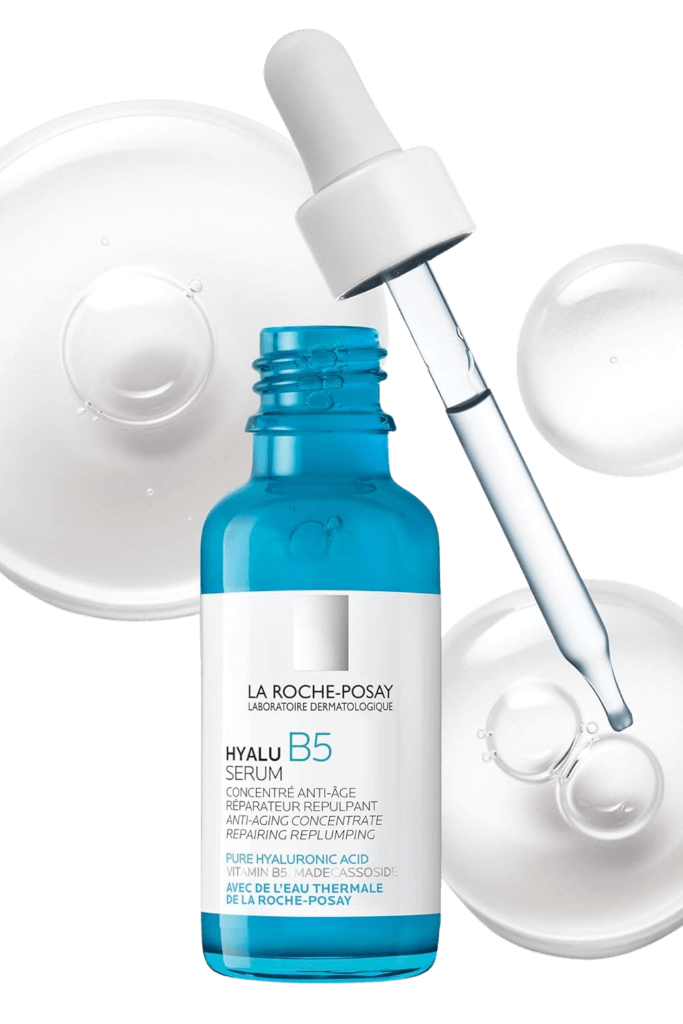
This is where most winter routines win or lose. Hydration should happen on slightly damp skin so it can bind water effectively. A hyaluronic acid serum is a reliable “easy button” for plumpness — especially if you follow it with a moisturizer to lock it in.
Check Price on Amazon — La Roche-Posay Hyalu B5 Hyaluronic Acid Serum
Step 3 — Seal with moisturizer
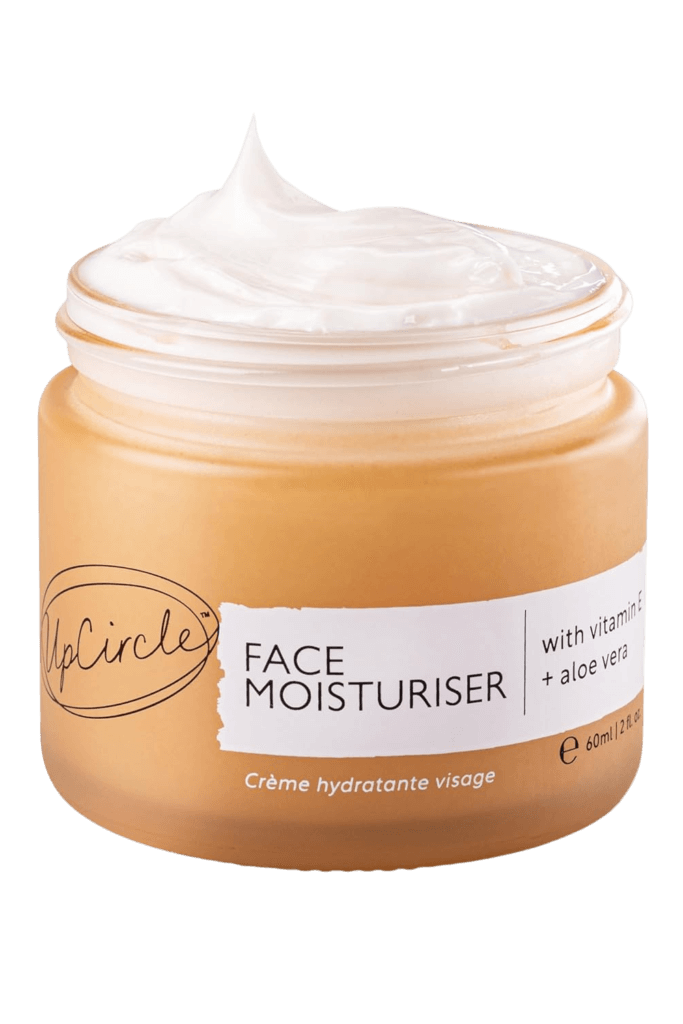
In winter, moisturizer isn’t optional — it’s a protective layer. The best winter moisturizer supports the barrier and reduces moisture loss through the day.
Check Price on Amazon — UpCircle Face Moisturiser with Argan Powder
Step 4 — Daily SPF (even when it’s cloudy)
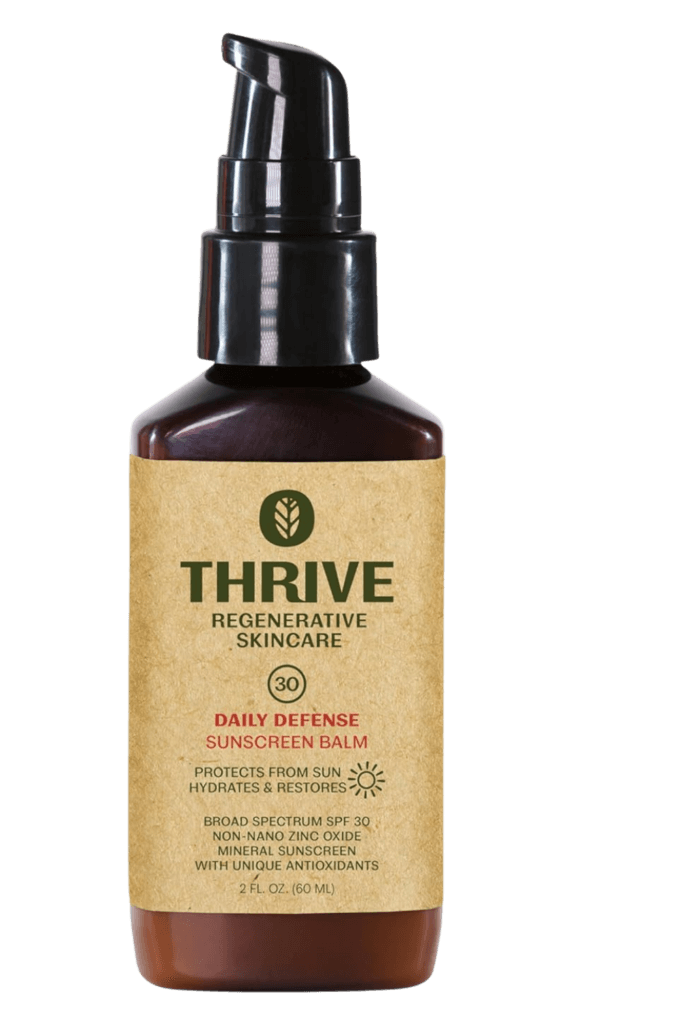
Yes, you still need sunscreen in winter. UVA rays are present year-round and contribute to irritation, dryness, and long-term aging. If your skin is sensitive, mineral SPF can be a comfortable option in cold weather.
Check Price on Amazon — Thrive Natural Care Mineral Face Sunscreen SPF 30
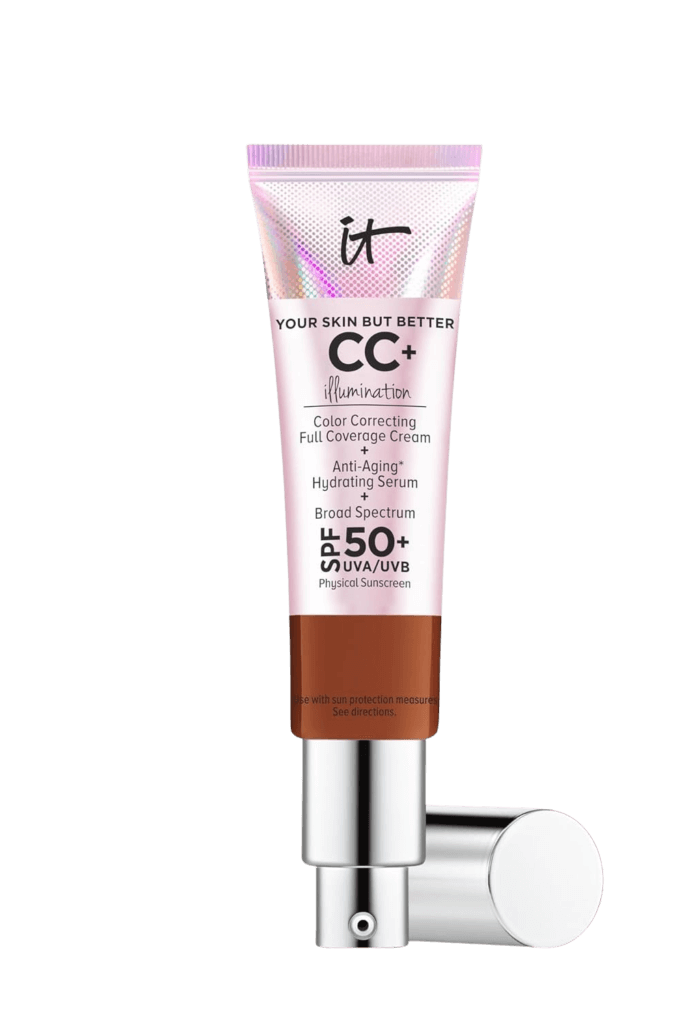
If you prefer a tinted, “one-and-done” base that also gives high SPF coverage, this can simplify your morning skin care routine: Check Price on Amazon — IT Cosmetics CC+ Cream Illumination SPF 50+
Night Skin Care Routine (Repair + Protect)
Step 1 — Cleanse thoroughly (no squeaky clean)
Night cleansing matters because sunscreen, makeup, and indoor pollution can cling to skin. The key is cleansing thoroughly without stripping. “Squeaky clean” is not the goal — comfortable skin is the goal.
If you need help with clarity (especially around congested zones), a salicylic cleanser can be used a few nights per week instead of layering leave-on acids: Shop on Cerqular

Step 2 — Hydrating serum layer
Nighttime is ideal for hydration layers because your skin has hours to recover. If you already used hyaluronic acid in the morning, you can repeat it at night — especially if your skin feels tight.
Check Price on Amazon — La Roche-Posay Hyalu B5 Hyaluronic Acid Serum
If you like routines that come as a “system,” Cerqular’s bundled sets can be an easy way to stay consistent: Shop on Cerqular

Step 3 — Barrier-first moisturizer
Your night moisturizer is where you prioritize repair. If you’re dry or sensitive, choose something nourishing and steady — not overly active-heavy.
Check Price on Amazon — UpCircle Face Moisturiser with Argan Powder
Step 4 — Optional occlusive “seal” for very dry skin
If your skin feels parched, adding an occlusive layer on top of moisturizer can reduce moisture loss overnight. Use this step only when you need it — and keep it thin.
Check Price on Amazon — Terra Lotus Grass-Fed Beef Tallow Balm + Raw Honey
How to Adjust This Dry Skin Care Routine
Sensitive skin care routine tweaks (fragrance, acids, retinoids)
If you’re building a sensitive skin care routine, winter is the time to go fragrance-free where possible, reduce acid use, and reintroduce retinoids slowly (if you use them at all). Think “fewer products, more consistency.”
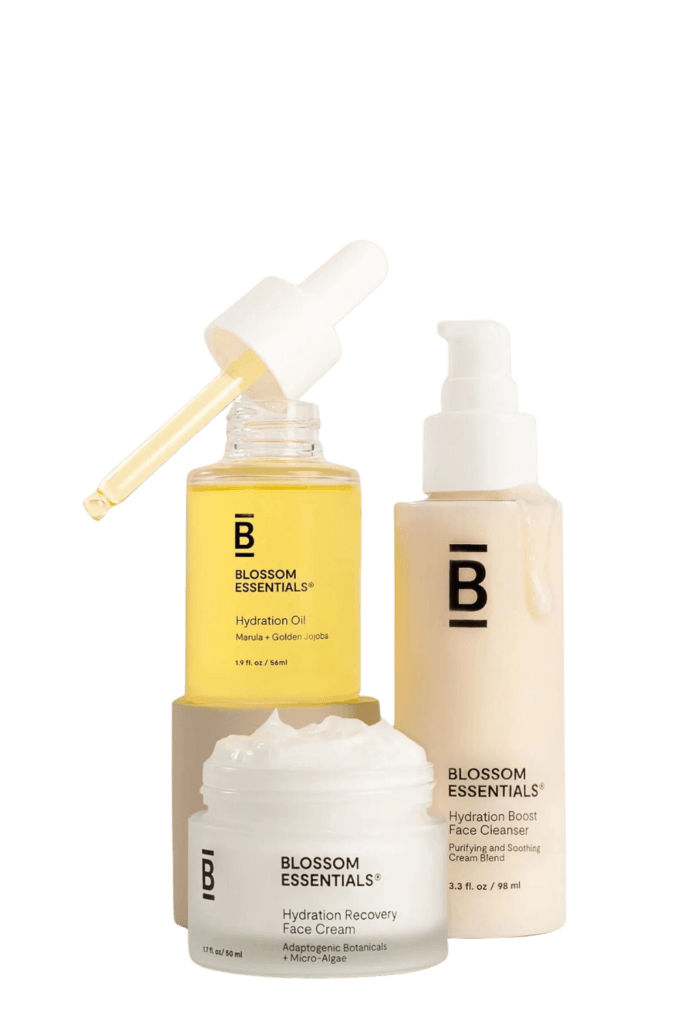
If your skin is reactive, a kit designed around sensitivity can help reduce the guesswork: Shop on Cerqular
Breakouts + dryness at the same time (simple fixes)
This combo usually means dehydration. When skin is dehydrated, it can overproduce oil in some areas while flaking in others. The fix is rarely “stronger acne products.” It’s usually:
- Gentler cleansing
- More consistent hydration
- Barrier-first moisturizer every night
- Spot-treating instead of full-face stripping
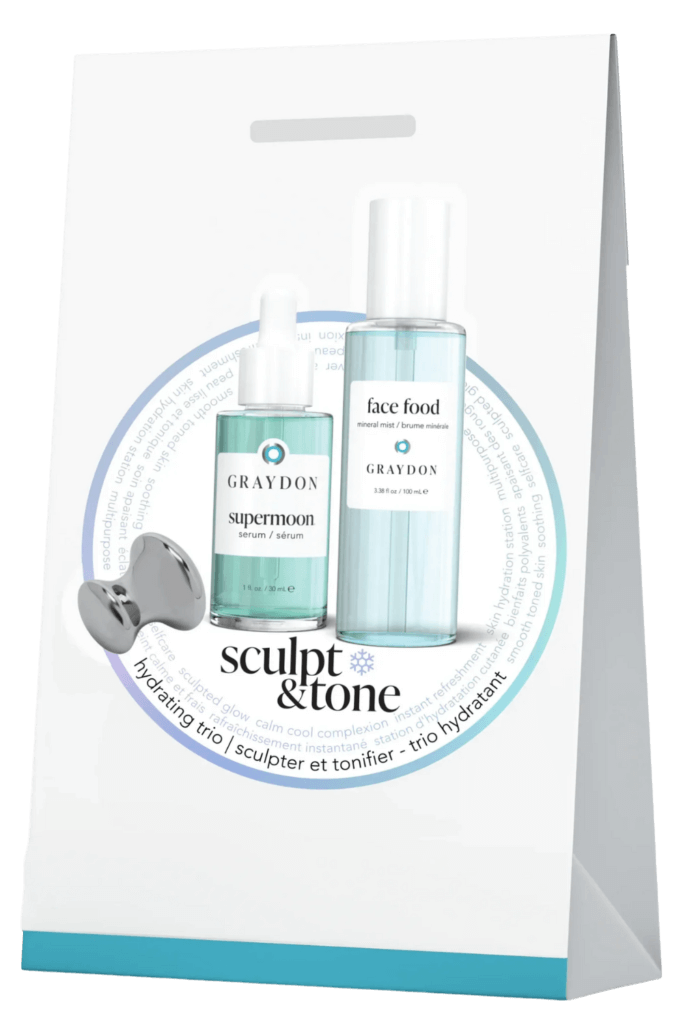
If you want a supportive add-on for tone/texture while keeping routine simple, Cerqular’s Sculpt & Tone can be slotted into a routine without adding five extra steps: Shop on Cerqular
Anti aging skin care in winter (how to avoid irritation)
Anti aging skin care in winter is absolutely possible — you just need to avoid irritation. The easiest approach is to:
- Use actives fewer nights per week
- “Buffer” with moisturizer (apply moisturizer before/after actives)
- Prioritize barrier support over intensity
- Stop when your skin signals stress
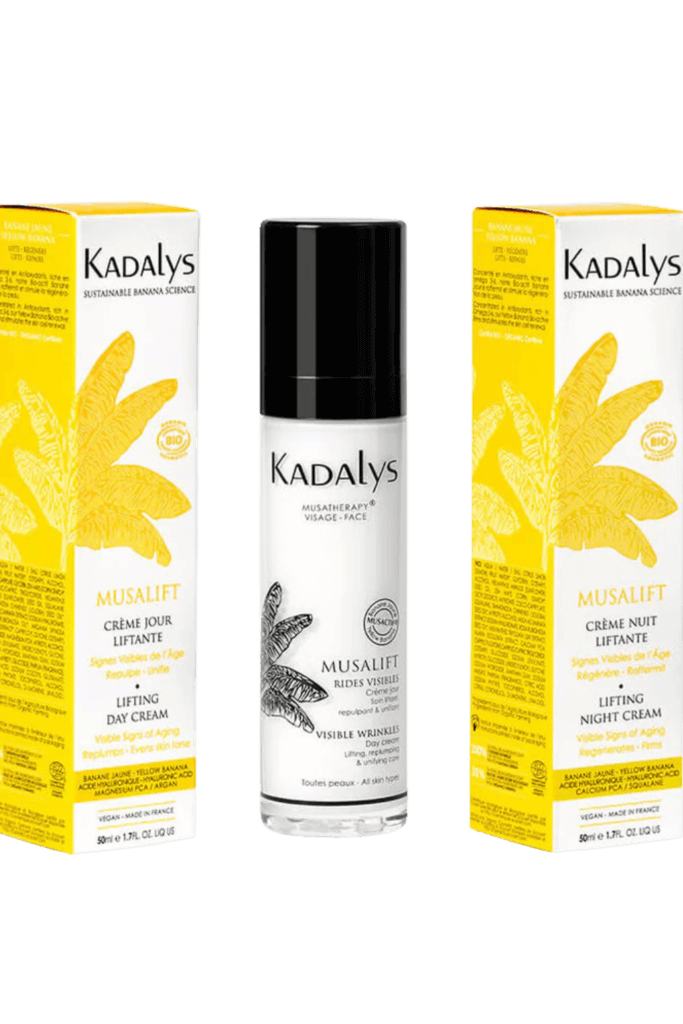
If you prefer a structured day/night approach, this duo is designed to keep things consistent: Shop on Cerqular
Common Winter Routine Mistakes
Over-exfoliating
When your skin feels rough, exfoliation seems like the answer — but in winter, it often makes things worse. Over-exfoliating weakens the barrier and increases stinginess. Aim for gentle exfoliation occasionally, not daily.
Skipping moisturizer because you “don’t feel dry yet”
Dryness is often delayed. You might feel “fine” for a week, then wake up with flaky patches because the barrier slowly degraded. Moisturize daily before the problem shows up.
Not using SPF in winter
Cloudy skies don’t block UVA. Sunscreen is still part of the correct skincare order every morning.
Layering too many products too fast
Winter skin hates sudden change. Add one thing at a time, give it at least a week, and keep the rest of your skin care steps steady so you can tell what’s actually helping.
FAQs (Routine-focused only)
How many steps should a winter skin care routine include?
Most people do best with 3–5 steps: cleanse, hydrate, moisturize, SPF (AM), and a barrier-focused night routine. Add an occlusive only if needed.
What is the correct skincare order for a winter morning skin care routine?
Cleanse (or rinse), hydrate, moisturize, SPF. That’s the winter-friendly skincare routine order that protects your barrier.
Can I keep using the same skincare routine year-round?
Usually not. Winter conditions change how your skin holds water, so your skin care routine needs richer moisture support and fewer harsh steps.
How do I build a beginner skin care routine for winter?
Start with the basics: a gentle cleanse, a moisturizer, and sunscreen in the morning. At night, cleanse and moisturize. Add hydration serum if you feel tight.
What should I do if my routine stings in winter?
That’s a barrier signal. Pause strong actives, simplify your skin care steps for a week, and focus on hydration + barrier support until the sting stops.
Is a night skin care routine really necessary in winter?
Yes — night is when repair happens. A consistent night skin care routine improves barrier strength and reduces dryness long-term.
Conclusion
A winter skin care routine doesn’t have to be complicated to be effective. If you do nothing else, start with 2–3 core steps: gentle cleansing, barrier-first moisturizing, and daily SPF. Then add hydration (and an occlusive at night) only if your skin asks for it.
Once your routine feels steady, choosing the right skin care products becomes the easy part. Save this routine for later, and come back to it whenever winter dryness starts creeping in.


