
Hey there, fashion lovers! Ever thought about how your wardrobe affects our planet? Eco-conscious fashion is all about looking good while doing good. It’s a way to enjoy your style without hurting the earth. From upcycled clothes to organic fabrics, there’s a lot to explore. So, let’s dive into how you can be stylish and sustainable at the same time.
Key Takeaways
- Eco-conscious fashion blends style with sustainability, making it possible to look good while reducing environmental impact.
- Choosing organic fabrics like cotton and hemp can significantly lower your wardrobe’s carbon footprint.
- Upcycled fashion is a creative way to recycle old clothes, giving them a new life and keeping them out of landfills.
- Shopping second-hand or from affordable sustainable clothing brands can be both budget-friendly and eco-friendly.
- Incorporating eco-friendly home decor and green living design ideas can extend your sustainable lifestyle beyond clothing.
Understanding Eco-Conscious Fashion
The Importance of Sustainable Choices
Sustainable fashion isn’t just a buzzword; it’s a necessity. The fashion industry is notorious for its massive environmental impact, from water pollution to excessive waste. By choosing sustainable options, we can help reduce this footprint. Making informed choices about what we wear can lead to a healthier planet. It’s about being a conscious consumer, understanding the story behind the clothes, and opting for brands that prioritize eco-friendly practices.
Eco-Conscious Fashion: Style meets sustainability — fashion that feels as good as it looks 🌿
Sustainably made • Ethical brand • Trusted by conscious shoppers

How Green Fashion is Transforming the Industry
Green fashion is reshaping the industry by pushing for more responsible production methods. Designers are now focusing on using organic and recycled materials, reducing waste, and ensuring fair labor practices.
Here’s a real-world example of a brand doing it right:
🌿 Summer Breeze Dress by MiliMilu – Shop on Cerqular
MiliMilu on Cerqular ticks every box: clean ingredients, ethical production, and a brand that genuinely gives back. The Summer Breeze Dress is stylish, eco-certified, and proof that green fashion is already here — not a future trend.
This transformation is not only necessary for the environment but also for the people involved in the production process. The shift towards sustainability is encouraging brands to innovate and create clothing that is both stylish and eco-friendly.
Eco-Conscious Fashion: Look good while making better choices every day 🌿
Sustainably made • Ethical brand • Trusted by conscious shoppers

The Role of Upcycled Fashion in Sustainability
Upcycled fashion is a game-changer in the sustainability movement. By turning old clothes into new, stylish pieces, we reduce waste and promote creativity. This approach not only saves resources but also inspires a new way of thinking about fashion. Imagine transforming a worn-out jacket into a trendy vest or an old dress into a chic skirt. Upcycling is about seeing potential where others see waste, and it plays a crucial role in reducing the fashion industry’s environmental impact.

Choosing Organic Fabrics for a Greener Wardrobe
Benefits of Organic Cotton and Hemp
When it comes to building a sustainable wardrobe, choosing organic fabrics like cotton and hemp is a big step in the right direction. These materials are grown without harmful pesticides, which means they’re not just better for the environment, but also healthier for the farmers who grow them. Organic cotton, for instance, uses less water compared to conventional cotton. Plus, hemp is a powerhouse plant that grows quickly and requires minimal resources, making it a sustainable superstar.

- Organic Cotton: Grown without synthetic pesticides, reducing water usage.
- Hemp: Fast-growing, needs less water, and enriches the soil.
Exploring Recycled Polyester Options
Recycled polyester is another fantastic option for those looking to make eco-friendly fashion choices. This material is made from repurposed plastic bottles, reducing the need for new plastic production. While it’s not perfect—since it still sheds microplastics—it’s a step up from virgin polyester. By choosing recycled polyester, you’re helping to keep plastic out of landfills and oceans.
- Environmental Impact: Reduces waste by reusing plastic bottles.
- Durability: Offers the same durability as virgin polyester.
Looking for a real recycled polyester piece that thousands of people are already wearing? These two are our top picks:
🌿 Women’s Sustainable Knit Cardigan Sweater – Shop on Amazon
A beautifully knitted cardigan made with sustainably sourced materials — the kind of timeless layering piece that earns its place in your wardrobe for years. Soft, stylish, and kind to the planet.
🌿 Argstar Women’s Fleece Jacket – Eco-Friendly Warmth, Shop on Amazon
Looking for a lightweight eco-friendly layer you can throw on any day of the week? This fleece jacket is built for that. Cosy, durable, and versatile enough to take from morning walks to weekend errands without missing a beat.
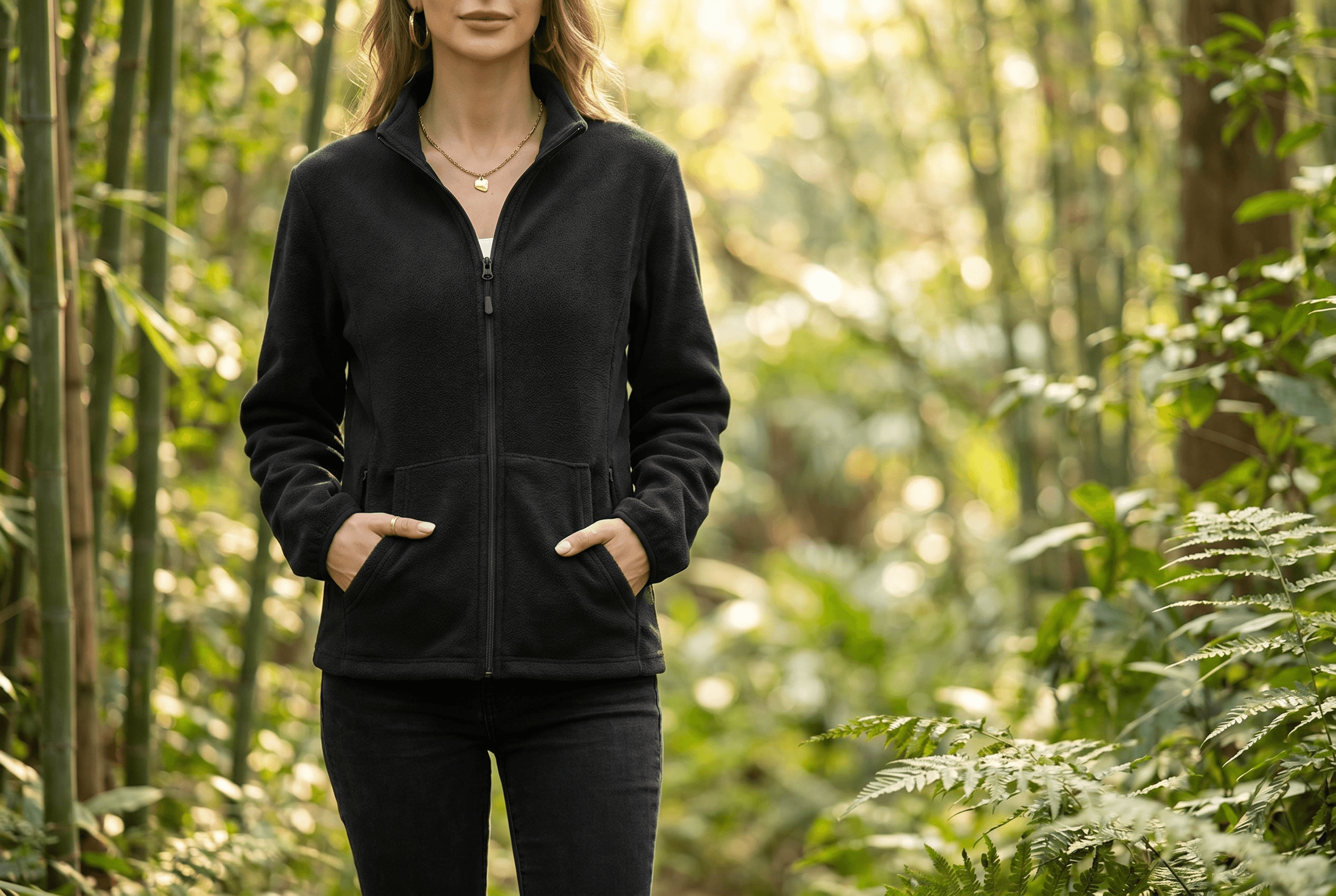
Warmth without compromise — sustainable layers for every season 🌿
Sustainably made • Loved by eco-conscious shoppers
Certifications to Look For
When shopping for organic fabrics, it’s crucial to check for certifications that guarantee the product’s eco-friendliness. Look for labels like GOTS (Global Organic Textile Standard) or OEKO-TEX, which ensure that the textiles meet high environmental and social standards. These certifications give you peace of mind that your clothing choices are truly sustainable.
- GOTS: Ensures organic status of textiles, from harvesting to manufacturing.
- OEKO-TEX: Tests for harmful substances, ensuring product safety.
- Fair Trade: Guarantees fair wages and ethical working conditions.
Want to shop a piece that carries these certifications for real? This one has them all:
GOTS-certified organic cotton, made in a factory where workers receive free daily meals and full health insurance — and 90% of NinetyPercent’s profits go to charity chosen by customers. This is what Fair Trade and GOTS certification look like in a real product you can wear today.
Making the switch to organic fabrics might seem daunting at first, but it’s a rewarding journey. Every small choice adds up, paving the way for a more sustainable future in fashion. Remember, each garment you choose can make a difference.
Budget-Friendly Eco-Fashion Tips

Thrifting and Second-Hand Shopping
Diving into the world of thrifting can be an adventure. It’s not just about saving money; it’s about finding unique pieces that tell a story. When you shop second-hand, you’re giving clothes a new life and reducing the demand for new production, which is a win for the planet. Here are some tips to make the most of your thrifting experience:
- Go with an open mind: You never know what you’ll find!
- Check for quality: Look for items that are in good condition and can last longer.
- Visit regularly: Stock in thrift stores changes often, so frequent visits can lead to great finds.
Affordable Sustainable Clothing Brands
Switching to sustainable fashion doesn’t mean you have to break the bank. There are numerous eco-friendly clothing brands that offer stylish and affordable options. When exploring these brands, consider:

- Material: Opt for organic or recycled materials.
- Ethics: Support brands that ensure fair labor practices.
- Longevity: Choose pieces that are timeless and versatile
Here’s one that checks all three boxes — organic material, ethical brand, and built to last — without breaking the bank:
🌿 Women’s 100% Pure Linen Button Down Midi Dress – Shop on Amazon
100% pure linen — one of the most breathable, biodegradable fabrics on earth. This Amazon’s Choice dress is under $60, timeless in style, and the kind of piece you’ll reach for season after season. Sustainable fashion really doesn’t have to be expensive.
DIY Fashion: Upcycling Your Wardrobe
Upcycling is a fantastic way to refresh your wardrobe without spending a dime. By transforming old clothes into something new, you not only save money but also help the environment. Here are some upcycling ideas to get you started:
- Cut and sew: Turn old jeans into shorts or a dress into a skirt.
- Add patches or embroidery: Give plain items a new look with some creative stitching.
- Dye it: Use natural dyes to change the color of your clothes and give them a fresh feel.
Embracing sustainable fashion doesn’t have to be expensive or complicated. With a bit of creativity and commitment, you can build a wardrobe that’s both stylish and kind to the planet.
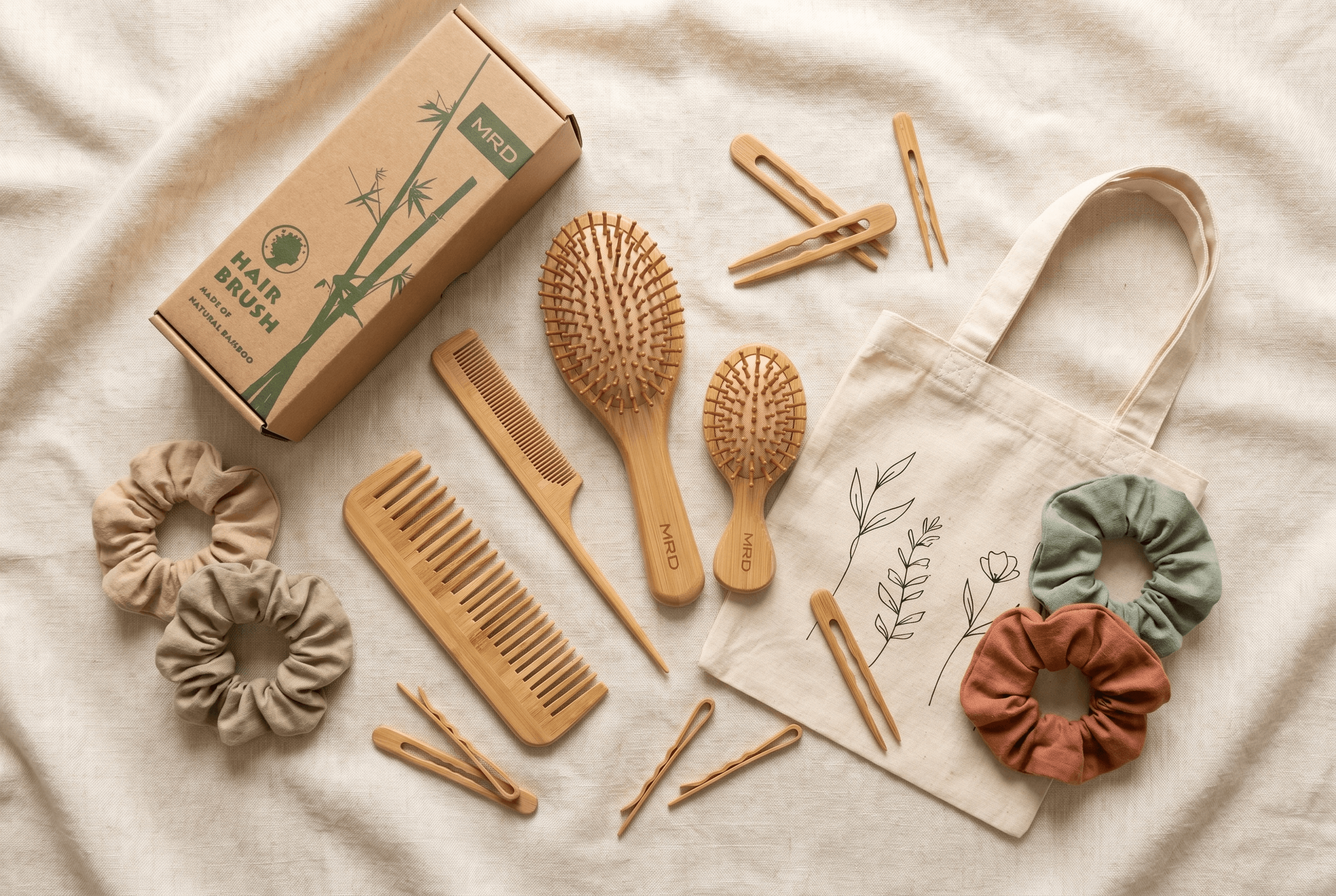
Small swaps, big impact — eco accessories that make every day greener 🌿
Sustainably made • Loved by eco-conscious shoppers
Luxury Sustainable Fashion: A New Era
High-End Brands Embracing Sustainability
In the world of luxury fashion, sustainability is no longer just a buzzword—it’s a movement. High-end brands are increasingly incorporating eco-friendly practices into their production processes. This shift is reshaping the industry, proving that luxury and sustainability can coexist. Brands like Gucci and Stella McCartney are leading the charge, using organic materials and ethical labor practices. They’re showing that you don’t have to sacrifice style for sustainability.
The Future of Ethical Luxury Clothing
Ethical luxury clothing is gaining momentum as more consumers demand transparency and responsibility from their favorite brands. The future of fashion is looking greener with innovations in plant-based fabrics and zero-waste production methods. Designers are now focusing on creating timeless pieces that are not only beautiful but also have a minimal environmental footprint. This trend is not just about clothes; it’s about creating a sustainable lifestyle.
Balancing Style and Environmental Responsibility
Balancing style with environmental responsibility is becoming a key focus for the fashion industry. The challenge lies in maintaining the allure of luxury while committing to eco-friendly practices. Consumers are encouraged to choose pieces that are crafted with care, ensuring longevity and reducing waste. Here’s a quick list of what to look for:
- Quality Materials: Opt for garments made from sustainable materials like organic cotton or recycled polyester.
- Craftsmanship: Look for pieces that showcase exceptional craftsmanship, like suits influenced by early ’90s Yohji Yamamoto and early 2000s Comme des Garçons with elaborate embroidery, which often require weeks of meticulous work.
- Timeless Design: Invest in timeless designs that transcend seasonal trends, ensuring your wardrobe remains stylish for years to come.
Here are two pieces that perfectly balance luxury, sustainability, and timeless style:
🌿 QINSEN Women’s Collar Fleece Jacket – Sustainable Style, Shop on Amazon
A warm, polished fleece jacket with a refined collar and sustainable construction — the kind of layer that looks just as good running errands as it does on a chilly evening out. Invest in warmth that lasts for seasons, not just one wash cycle.
How to Identify Ethical Brands
When it comes to choosing brands that align with your values, research is essential. Opt for brands that emphasize sustainability and transparency in their production methods. Ethical companies typically utilize renewable energy and ensure fair labor practices. Look for certifications such as Fair Trade or GOTS (Global Organic Textile Standard) as indicators of a brand’s commitment to ethical practices.
The Impact of Ethical Shopping on the Environment
Every purchase you make has an environmental footprint. By choosing to shop ethically, you contribute to reducing this impact. Ethical shopping supports brands that use sustainable materials and eco-friendly production methods. This not only helps in preserving natural resources but also encourages the fashion industry to adopt more sustainable practices. Remember, even small changes in your shopping habits can make a big difference in promoting positive environmental change.
The Rise of Green Living and Design
Integrating Sustainability into Daily Life
Living sustainably isn’t just a trend; it’s a shift in how we approach everyday life. The goal is to make eco-friendly choices a natural part of our routine. Start small by reducing waste: bring your own bags to the grocery store, choose reusable water bottles, and opt for products with minimal packaging.
- Consider energy-efficient appliances for your home.
- Use public transport, walk, or bike whenever possible.
- Support local farmers by purchasing seasonal produce.
It’s about making conscious decisions that, over time, lead to a more sustainable lifestyle.
Innovative Green Design Trends
The design world is buzzing with innovative ways to incorporate sustainability. From furniture made of reclaimed wood to solar-powered homes, the focus is on reducing the carbon footprint. These trends are not only good for the planet but can also save money in the long run.
- Modular homes that can be adapted to different needs.
- Vertical gardens that bring greenery into urban spaces.
- Smart home technology that optimizes energy use.
These ideas are reshaping how we think about design and its impact on the environment.
The Benefits of a Green Lifestyle
Adopting a green lifestyle comes with a host of benefits. Not only does it reduce your environmental impact, but it can also improve your quality of life.
Living sustainably can lead to better health, lower utility bills, and a more fulfilling life.
Here are some perks of going green:
- Improved air quality from reduced pollution.
- A sense of community by participating in local environmental initiatives.
- Personal satisfaction from contributing to a healthier planet.
Incorporating these practices into your life is easier than you might think and can lead to lasting positive changes.
Maintaining a Sustainable Fashion Lifestyle
Caring for Your Eco-Friendly Clothes
Taking care of your clothes is more than just washing and folding. Proper garment care can extend the life of your wardrobe significantly. Start by reading the care labels on your clothes. It might sound basic, but it’s crucial. Washing in cold water can save energy and prevent fabrics from wearing out quickly. Also, hang-dry your clothes when possible. Tumble dryers are tough on fabrics and can lead to shrinkage and fading.
The Importance of Minimalism in Fashion
Minimalism isn’t just a trend; it’s a way of life that can help you focus on quality over quantity. Instead of splurging on a dozen fast-fashion items, invest in a few high-quality pieces that you love and will wear often. A minimalist wardrobe can be versatile and stylish, and it encourages you to be more thoughtful about your purchases.
The most minimalist fashion move you can make? Own one dress that works two ways:
Educating Yourself on Sustainable Practices
Knowledge is power. To truly embrace a sustainable fashion lifestyle, it’s essential to educate yourself. Attend workshops, read up on the latest sustainable fashion trends, and engage in discussions about ethical practices. By staying informed, you can make better choices and support brands that align with your values.
Living sustainably doesn’t have to be hard. It’s about making small, conscious choices that add up over time. From choosing eco-friendly fabrics to supporting ethical brands, every step counts in making a positive impact on the planet.
Wrapping Up: Fashion with a Conscience
So, there you have it. Being stylish and eco-friendly isn’t just a passing trend—it’s a lifestyle choice that makes a real difference. By choosing sustainable fashion, you’re not only looking good but also doing good for the planet. It’s about making smarter choices, like picking quality over quantity, supporting brands that care, and maybe even trying out second-hand shopping. Every little step counts. And hey, it might seem small, but collectively, these choices add up to a big impact. So next time you’re shopping, think about the story behind the clothes. Let’s keep fashion fun, fresh, and friendly to our world. Cheers to a more sustainable wardrobe!
Frequently Asked Questions
What does eco-conscious fashion mean?
Eco-conscious fashion is about making clothing choices that are kind to the planet. It means picking clothes made in ways that don’t harm the environment, like using less water or choosing materials that can be recycled.
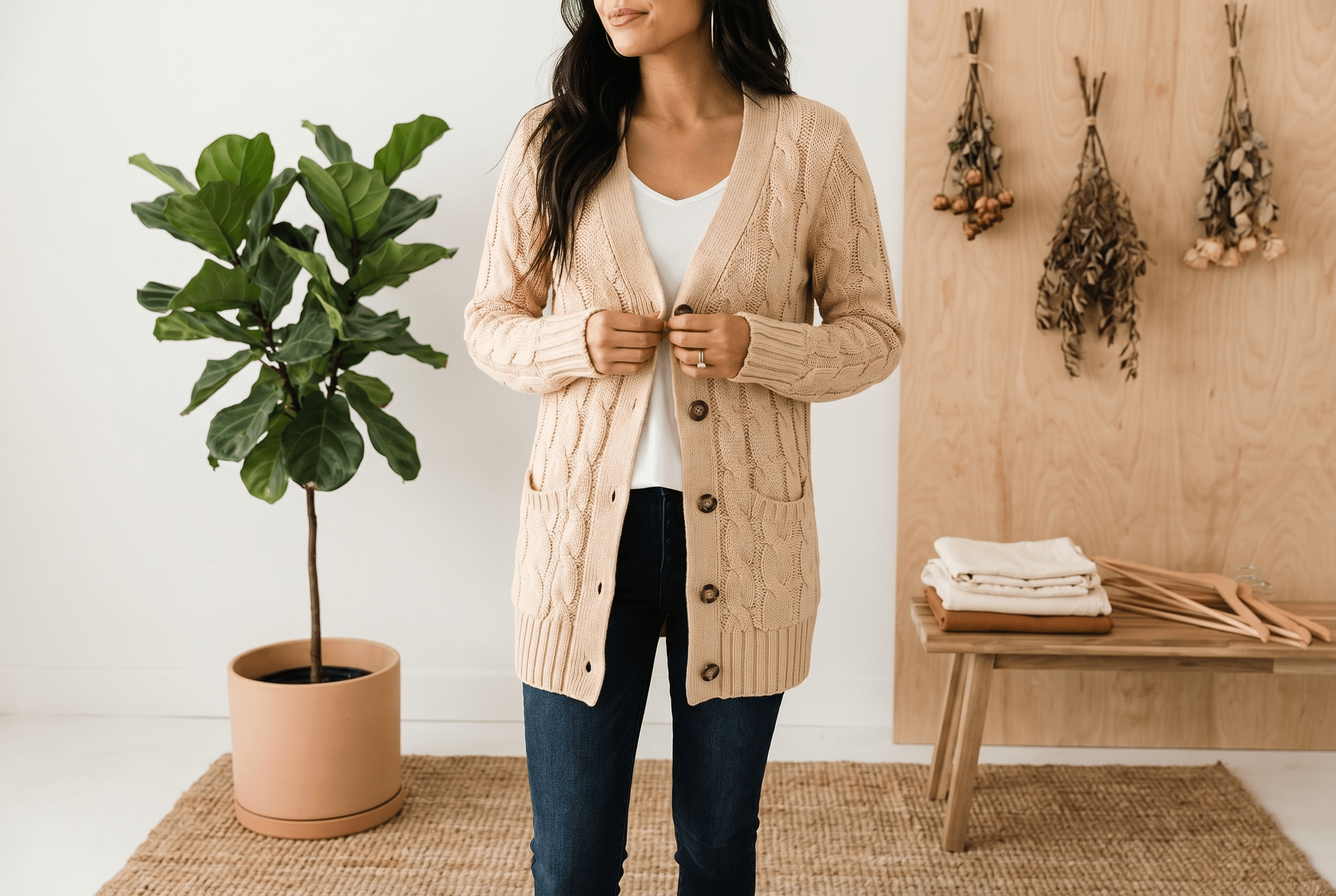
Style meets sustainability — fashion that feels as good as it looks 🌿
Sustainably made • Loved by eco-conscious shoppers
Why is choosing organic fabrics important?
Organic fabrics, like cotton and hemp, are grown without harmful chemicals. This is better for the earth and for the farmers who grow them. It also means the clothes are safer for you to wear.
How can I make my wardrobe more sustainable on a budget?
You can shop at thrift stores or buy second-hand clothes. These options are often cheaper and help reduce waste. You can also look for affordable brands that focus on sustainability.
What are some easy ways to start living a greener lifestyle?
Start by using less energy at home, recycling, and buying products that are made sustainably. You can also learn more about eco-friendly practices to make better choices every day.
Is luxury fashion going green too?
Yes, many high-end brands are starting to focus on sustainability. They’re using eco-friendly materials and making sure their products are made ethically, without harming people or the planet.
How can I take care of my eco-friendly clothes?
Wash your clothes in cold water and hang them to dry to save energy. Mend any small tears instead of throwing clothes away, and try to buy clothes that are made to last.